Finding clothes that fit perfectly can feel like discovering a hidden treasure, especially when navigating the world of average clothing sizes for men and women. It’s a quest many of us embark on, whether we’re refreshing our wardrobes for the festive season or simply seeking that comfortable, confidence-boosting ensemble. But what exactly constitutes an "average" size, and how can we use this knowledge to our advantage? Let’s dive deep into the fascinating landscape of garment measurements and empower ourselves to shop smarter and feel fantastic!
The Ever-Evolving Landscape of Average Clothing Sizes
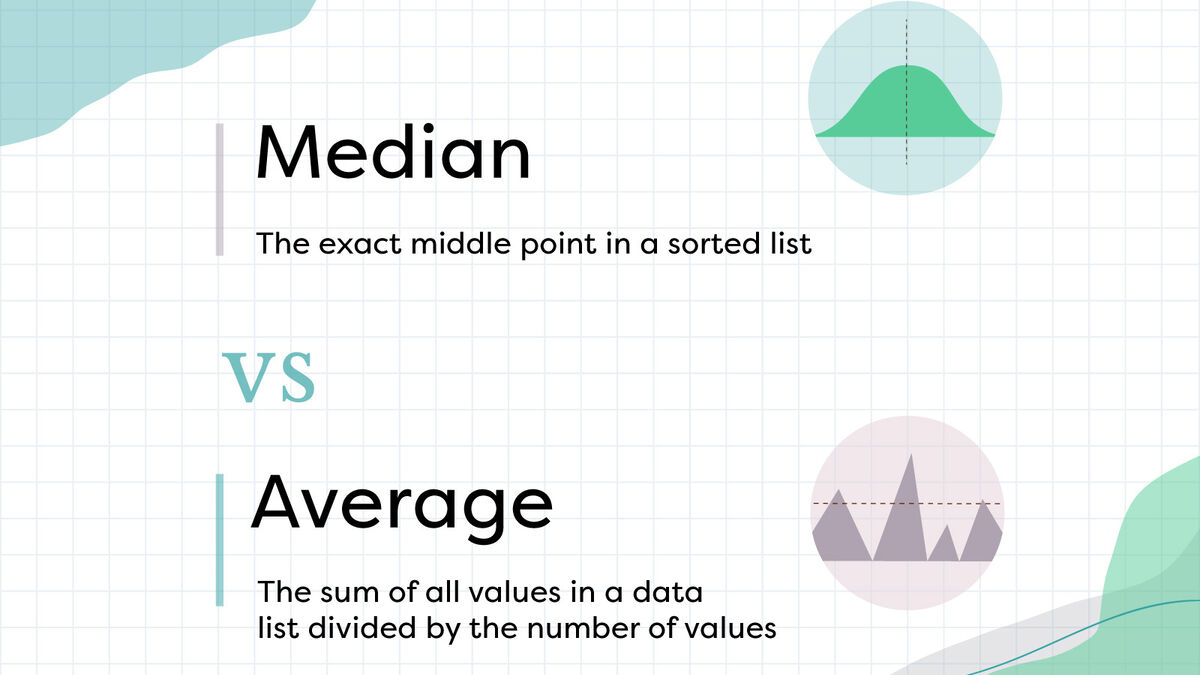
The concept of an "average" size is, by its very nature, a statistical representation. It’s crucial to remember that these figures are not rigid rules but rather guidelines that help manufacturers produce a range of clothing that caters to the majority. Over time, these averages have subtly shifted due to various factors, including changes in population averages, evolving fashion trends, and a growing awareness of body diversity.
Understanding the Foundation: Body Measurements
Before we delve into specific size charts, it’s essential to understand the fundamental body measurements that dictate clothing sizes. For both men and women, these typically include:
- Chest/Bust: The circumference around the fullest part of your chest or bust.
- Waist: The natural circumference of your waist, usually the narrowest part of your torso.
- Hips: The circumference around the fullest part of your hips.
- Inseam: For trousers and jeans, this is the measurement from your crotch to your ankle.
- Sleeve Length: The measurement from the shoulder seam to the cuff of the sleeve.
- Neck: For shirts and blouses, this is the circumference of your neck.
Men’s Average Clothing Sizes: A Closer Look
When we talk about average clothing sizes for men, we’re generally referring to a spectrum that aims to fit the most common male body types. However, it’s vital to acknowledge the vast diversity within this group.
T-shirts and Tops: The Everyday Essential
For men’s t-shirts and casual tops, the most common "average" sizes often fall within the Medium (M) to Large (L) range.
- Medium (M): Typically corresponds to a chest measurement of around 38-40 inches (96-102 cm) and a waist of 32-34 inches (81-86 cm).
- Large (L): Usually accommodates a chest of 41-43 inches (104-109 cm) and a waist of 35-37 inches (89-94 cm).
It’s important to note that different brands may have slight variations in their sizing. For instance, some Colors for fall winter a captivating palette for the season ahead European brands might run smaller, while American brands can sometimes be more generous.
Shirts and Dress Shirts: Tailoring for Formality
Dress shirts often require a more precise fit, especially around the neck and sleeve length.
- Neck Size: A common average neck size for men is around 15-15.5 inches (38-39 cm). This is often the primary measurement for sizing dress shirts.
- Sleeve Length: The average sleeve length for men can range from 32-34 inches (81-86 cm), measured from the center back of the neck to the wrist.
Trousers and Jeans: The Foundation of a Great Outfit
When it comes to men’s trousers and jeans, the sizing typically involves waist and inseam measurements.
- Waist: As mentioned earlier, the average waist size for men often falls between 32-36 inches (81-91 cm).
- Inseam: The average inseam length for men can range from 30-32 inches (76-81 cm) for shorter individuals and 32-34 inches (81-86 cm) for those of average height.
Outerwear: Layering Up with Confidence
Jackets and coats often have more room for layering.
- Chest Measurement: For men’s jackets, the average chest measurement for a Large might be around 42-44 inches (107-112 cm).
Women’s Average Clothing Sizes: Embracing Diversity
The world of average clothing sizes for women is perhaps even more diverse and fluid, reflecting a wider range of body shapes and proportions. The goal is to find sizes that empower and flatter.
Tops and Blouses: From Casual to Chic
For women’s tops and blouses, sizing often revolves around bust, waist, and hip measurements.
- Small (S): Typically fits a bust of 33-35 inches (84-89 cm), a waist of 26-28 inches (66-71 cm), and hips of 35-37 inches (89-94 cm).
- Medium (M): Generally corresponds to a bust of 36-38 inches (91-97 cm), a waist of 29-31 inches (74-79 cm), and hips of 38-40 inches (97-102 cm).
- Large (L): Usually accommodates a bust of 39-41 inches (99-104 cm), a waist of 32-34 inches (81-86 cm), and hips of 41-43 inches (104-109 cm).
Dresses and Skirts: Finding Your Flow
Dresses and skirts often require a good balance between bust, waist, and hip measurements to ensure a flattering drape.
- The "Average" Dress Size: While there isn’t one definitive "average," US sizes 8-12 often represent a significant portion of women’s clothing sales, corresponding to the Medium to Large range mentioned above.
Trousers and Jeans: Comfort Meets Style
Similar to men’s sizing, women’s trousers and jeans are typically measured by waist and inseam.
- Waist: The average waist size for women can vary significantly, but a common range might be 28-32 inches (71-81 cm).
- Inseam: The average inseam length for women can range from 28-30 inches (71-76 cm) for petite frames to 30-32 inches (76-81 cm) for average heights.
Outerwear: Staying Warm and Fashionable
Women’s outerwear also considers chest and hip measurements.
- The "Average" Coat Size: Similar to dresses, sizes 8-12 often represent a significant portion of the market for women’s coats.
Beyond the Numbers: Factors Influencing Fit
While understanding average clothing sizes for men and women is a fantastic starting point, several other crucial factors can influence how a garment actually fits you:
Brand Variations: The Sizing Spectrum
As we’ve touched upon, sizing is not standardized across the fashion industry. Each brand develops its own unique sizing Best online fashion stores in india your ultimate style destination chart based on its target demographic and manufacturing practices. This is why a size Medium in one brand might fit differently from a size Medium in another.
- Designer vs. High Street: Designer brands often have a more tailored fit, while high street retailers might offer more relaxed or inclusive sizing.
- International Sizing: Be mindful of international sizing conventions (US, UK, EU, Asia) as they can differ significantly.
Fabric and Style: The Drape and Stretch
The fabric composition and the style of the garment play a huge role in how it drapes and feels on your body.
- Stretch Fabrics: Garments made with elastane or other stretch fibers will naturally accommodate a wider range of measurements than rigid fabrics like denim or linen.
- Loose vs. Fitted Styles: A loose-fitting tunic will be more forgiving than a bodycon dress. Consider the intended silhouette when choosing your size.
Body Proportions: The Nuances of Your Shape
Even if your measurements align with an "average" size, your unique body proportions can affect the fit.
- Torso Length: Some individuals have longer torsos, which might require a longer inseam or a different rise in trousers.
- Shoulder Width: Shoulder width can impact the fit of tops and jackets.
- Leg Length: Beyond inseam, some people have longer thighs or calves, which can influence how trousers sit.
The Importance of Trying On: The Ultimate Test
Despite all the charts and guidelines, the most reliable way to ensure a perfect fit is to try on clothes whenever possible.
- In-Store Shopping: This allows you to physically feel the fabric, check for pulling or tightness, and assess the overall drape.
- Online Shopping Returns: If you’re shopping online, familiarize yourself with the retailer’s return policy. Many offer free returns, making it easier to experiment with different sizes.
Decoding Size Charts: Your Secret Weapon
Navigating size charts can seem daunting, but with a little practice, they become invaluable tools.
Key Elements of a Size Chart
- Measurement Guides: Most charts will clearly indicate which body part each measurement refers to (e.g., "Bust: Measure around the fullest part").
- Size Equivalents: You’ll often see comparisons between different sizing systems (e.g., US, UK, EU).
- Fit Descriptions: Some charts may offer additional descriptions like "slim fit," "relaxed fit," or "oversized," which can provide further context.
Tips for Using Size Charts Effectively
- Measure Yourself Accurately: Use a soft tape measure and wear minimal clothing for the most accurate results.
- Compare with Your Best-Fitting Garments: If you have a piece of clothing that fits you perfectly, compare its measurements to the brand’s size chart.
- Read Reviews: Online reviews can offer invaluable insights into how a particular garment fits, often mentioning if it runs true to size, small, or large.
- Don’t Be Afraid to Size Up or Down: Sometimes, a slightly larger or smaller size can achieve a better overall fit, especially if the garment has some stretch.
Embracing Body Positivity and Inclusive Sizing
The conversation around average clothing sizes for men and women is increasingly intertwined with body positivity and the push for more inclusive sizing.
The Evolution of "Average"
It’s important to recognize that the concept of "average" has historically been based on a limited demographic. As society becomes more aware of diverse body types, the fashion industry is slowly but surely responding.
The Rise of Extended Sizing
Many brands are now offering extended sizing options, including plus sizes, petite sizes, and tall sizes. This inclusivity is crucial for ensuring that everyone can find clothing that makes them feel confident and comfortable.
The Power of Personal Style
Ultimately, your personal style and how you feel in your clothes are more important than adhering strictly to any "average" size. Fashion should be a tool for self-expression and empowerment, not a source of anxiety.
Frequently Asked Questions (FAQ)
Q1: What is the most common men’s t-shirt size?
A1: The most common men’s t-shirt sizes typically fall within the Medium (M) and Large (L) range, corresponding to chest measurements of approximately 38-43 inches.
Q2: What is the average women’s dress size in the US?
A2: While there’s no single "average," US sizes 8-12 often represent a significant portion of women’s dress sales, generally falling within the Medium to Large category.
Q3: Why do clothing sizes vary so much between brands?
A3: Brands have different sizing charts based on their target customer, design aesthetic, and manufacturing processes. This leads to variations in how sizes are represented.
Q4: How can I find my correct clothing size if I’m shopping online?
A4: Always refer to the brand’s specific size chart, measure yourself accurately, and read customer reviews for insights into the fit.
Q5: Does "average" clothing size account for different body shapes?
A5: Historically, "average" sizing has been based on a more limited range of body types. However, there’s a growing movement towards more inclusive sizing that caters to a wider variety of shapes and proportions.
Conclusion: Your Style, Your Rules!
Navigating average clothing sizes for men and women is a journey of self-discovery and empowerment. By understanding the fundamentals of measurements, recognizing the influence of brand and style, and embracing the diversity of body types, you can shop with greater confidence and build a wardrobe that truly reflects your personality and makes you feel fantastic. Remember, the most important size is the one that makes you feel amazing! So go forth, experiment, and celebrate your unique style!
What are your biggest challenges when it comes to finding clothes that fit? Share your tips and experiences in the comments below! Let’s help each other unlock our perfect fits!