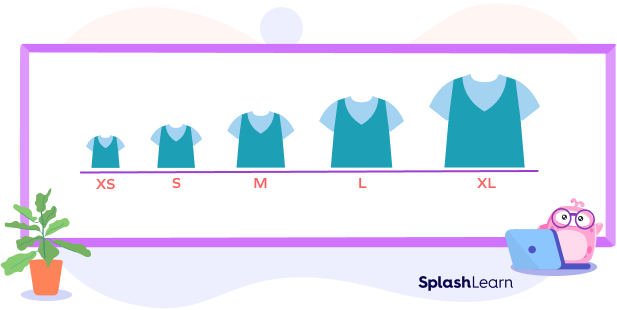
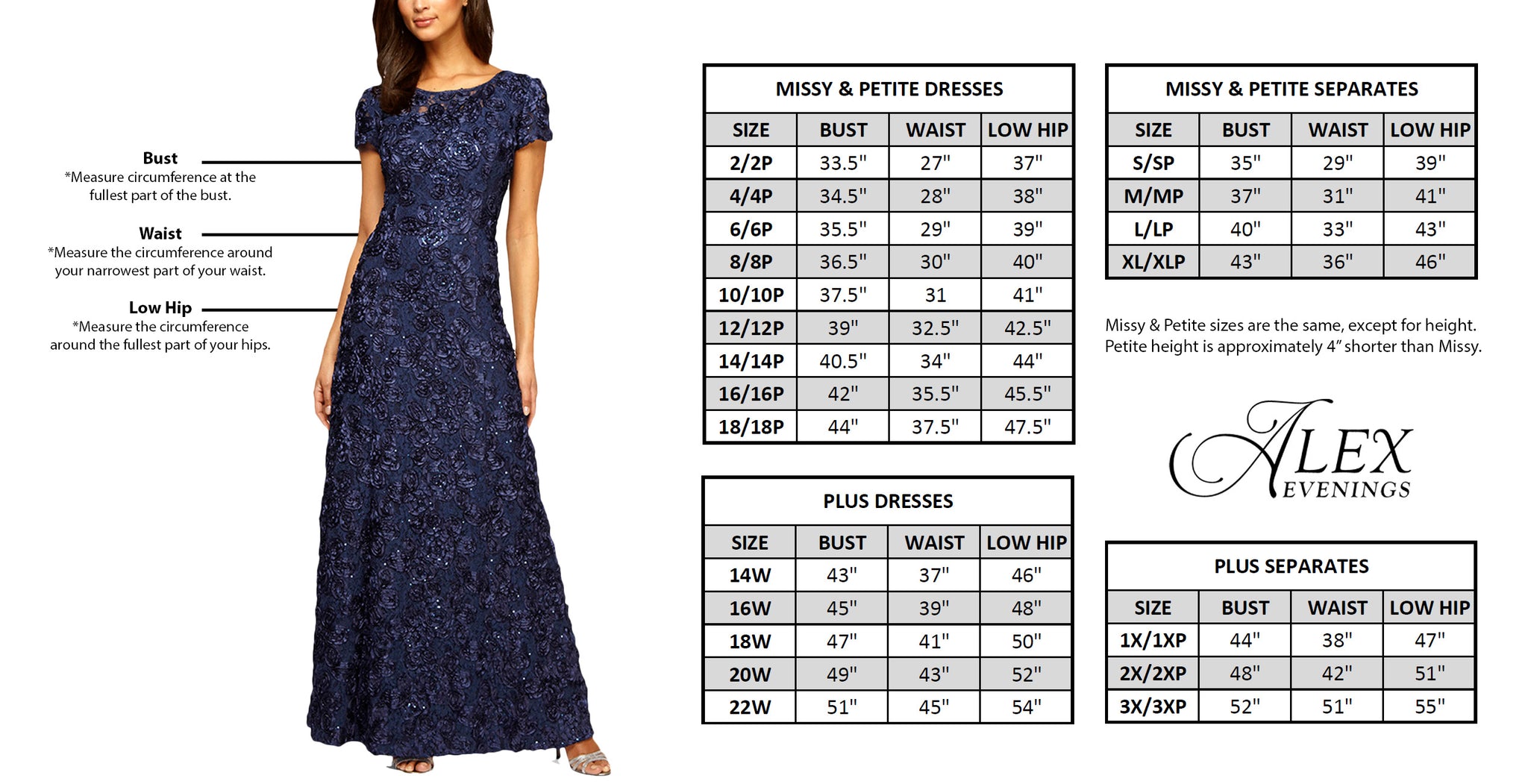
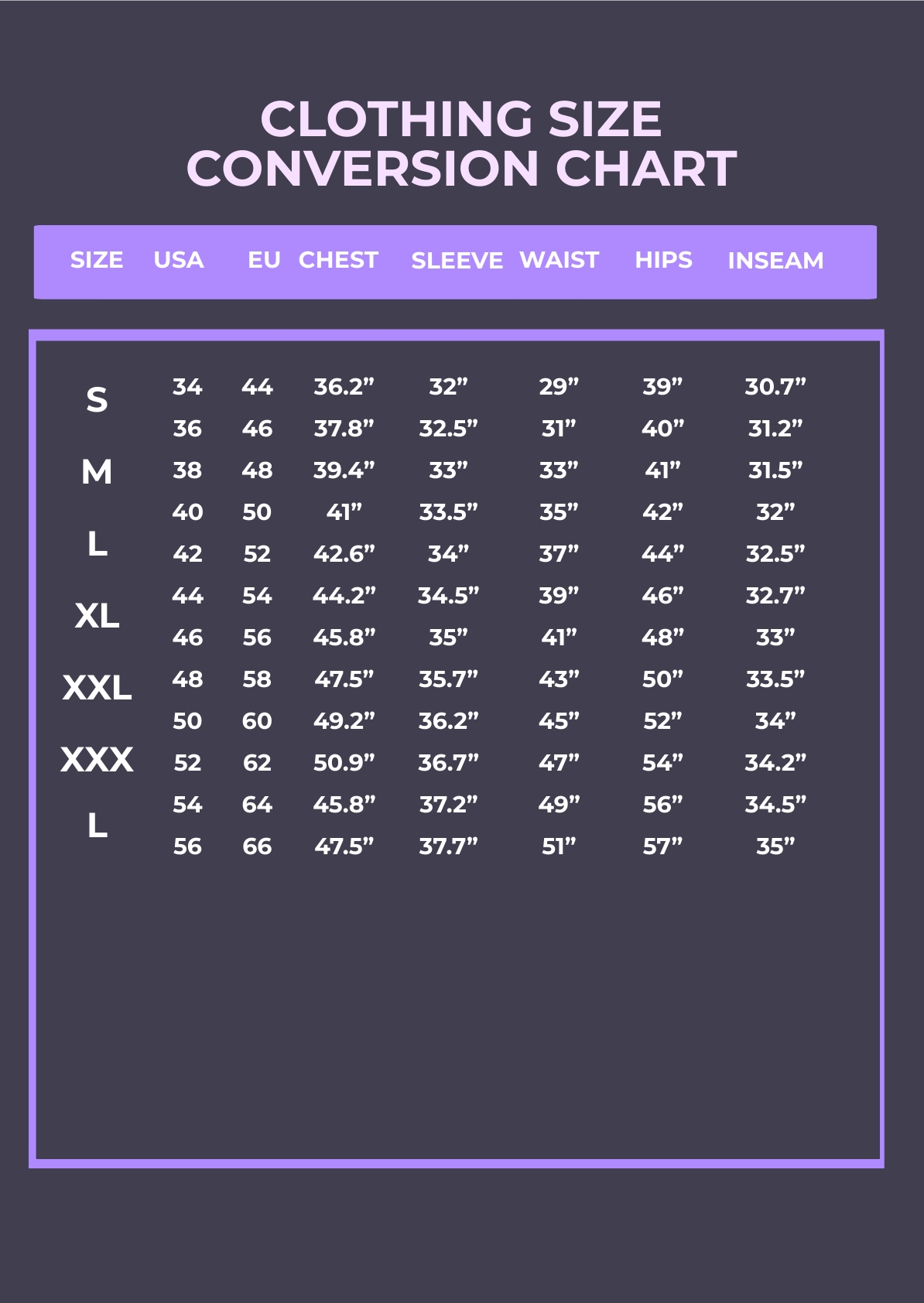
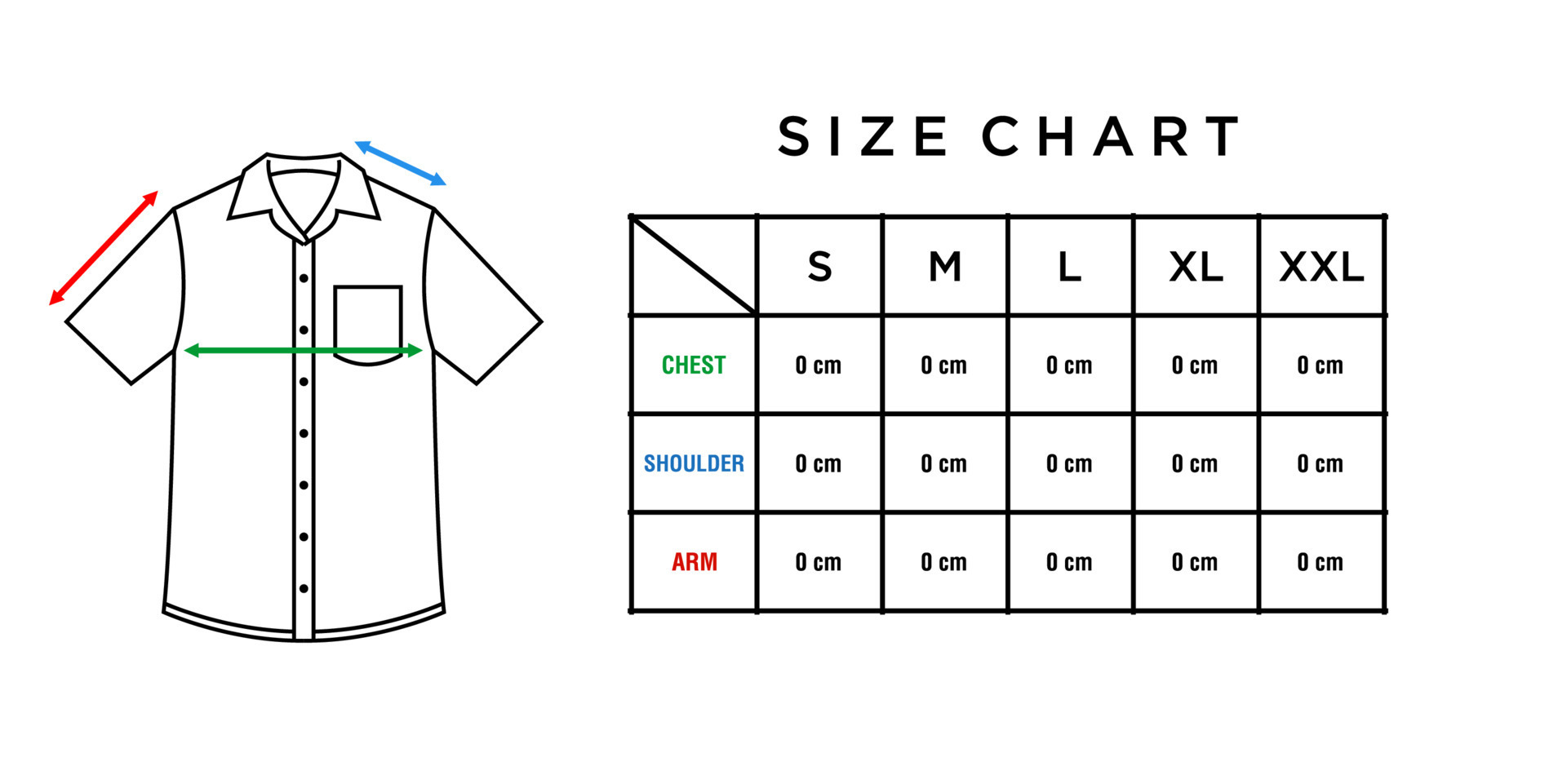
The world of fashion is a vibrant tapestry, and sometimes, the most stylish threads are found in unexpected places. For many women, this includes exploring the diverse and often surprisingly accommodating realm of menswear. But the burning question often arises: what size does women wear in men? This isn’t just about raiding your partner’s closet; it’s about discovering a whole new avenue for comfortable, chic, and confidence-boosting fashion. Whether you’re drawn to the relaxed silhouette of an oversized shirt, the tailored precision of a blazer, or the utilitarian cool of workwear-inspired pieces, understanding how to navigate men’s sizing is key to unlocking a treasure trove of sartorial delights. Forget the intimidation factor; we’re here to guide you through this exciting fashion frontier with warmth, festive spirit, and plenty of helpful insights!
Decoding the Difference: Why Men’s and Women’s Sizing Isn’t a Direct Swap
Before we dive into the specifics of sizing, it’s crucial to understand why a direct conversion chart can sometimes fall short. Men’s and women’s clothing are designed with different body shapes and proportions in mind.
Body Shape and Proportions
Generally speaking, men’s clothing is cut for a straighter, more rectangular silhouette with broader shoulders and narrower hips. Women’s clothing, on the other hand, is typically designed with curves in mind, accommodating a wider bust, narrower waist, and fuller hips. This fundamental difference means that while a specific size might seem numerically equivalent, the fit will vary significantly.
Garment Construction and Cut
Beyond body shape, the very construction of garments differs. Men’s shirts often feature a straighter armhole and a wider chest panel. Trousers might have a higher rise and a more generous thigh cut. Blazers and jackets are usually padded in the shoulders and have a more structured drape. Recognizing these constructional nuances is vital when you’re aiming for a specific look.
The Art of Conversion: A Practical Guide to Men’s Sizing for Women
So, you’re ready to embark on this fashion adventure! The good news is that with a little knowledge and a willingness to experiment, you can master the art of finding your perfect fit in menswear.
Understanding Chest and Waist Measurements
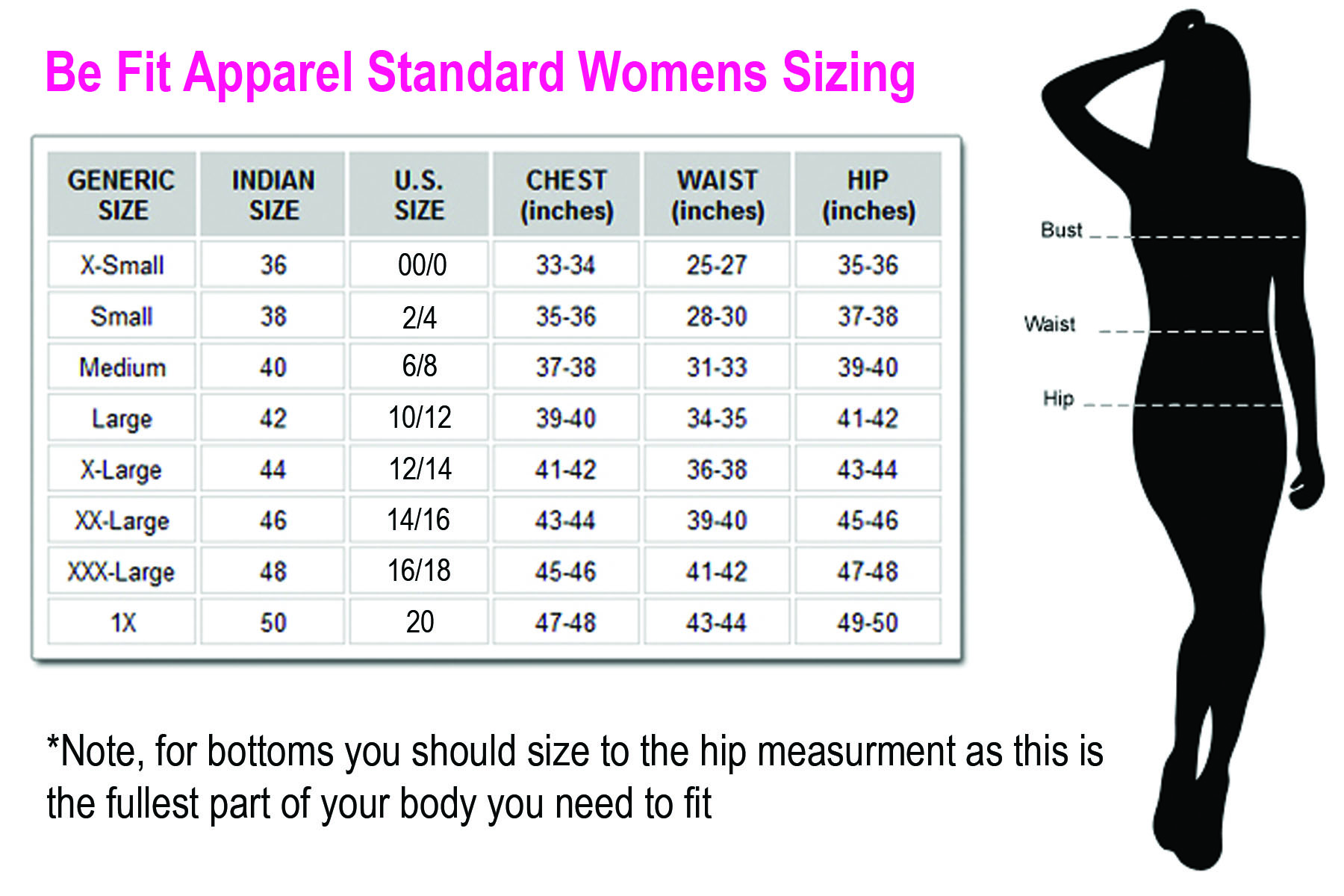
This is your starting point. The most reliable way to determine your size in men’s clothing is to take your own body measurements.
- Chest: Measure around the fullest part of your chest, keeping the tape measure parallel to the floor.
- Waist: Measure around your natural waistline, usually the narrowest part of your torso, above your hip bones.
- Hips: Measure around the fullest part of your hips.
Once you have these numbers, you can start comparing them to men’s sizing charts. However, remember that these are guides, not rigid rules.
The "Go-To" Conversion Rule (with a Caveat!)
A common and generally helpful rule of thumb for converting women’s sizes to men’s is to subtract 10 from your women’s size for tops and jackets, and subtract 20 for bottoms (trousers and shorts).
Example:
- If you wear a women’s Medium (US 8-10), you might look for a men’s Small.
- If you wear a women’s Large (US 12-14), you might consider a men’s Medium.
- For bottoms, if you wear a women’s size 10, you might try a men’s 30 waist.
However, this is where the caveat comes in! This conversion is a starting point and doesn’t account for the differences in cut and proportion mentioned earlier. It’s a guideline to get you in the right ballpark.
Beyond the Number: Key Fit Considerations for Women in Menswear
When trying on men’s clothing, pay close attention to these areas to ensure a flattering and comfortable fit:
Shoulders: The Crucial Fit Point
This is arguably the most important area to get right when shopping for men’s tops, shirts, and jackets.
- The Sweet Spot: The shoulder seams of the garment should lie directly at your natural shoulder bone. If they extend too far down your arm, the garment will look too big and sloppy. If they are too tight and constrict your movement, it’s clearly too small.
- Broad Shoulders: If you have naturally broader shoulders, you might find men’s sizing fits you more naturally in this area than women’s sizing.
- Narrower Shoulders: If your shoulders are narrower, you might need to consider styles that are inherently more relaxed or look for pieces with a dropped shoulder seam, which can be more forgiving.
Chest and Bust Area: Navigating the Difference
This is where the difference in body shape becomes most apparent.
- For Looser Styles: If you’re aiming for an oversized look in shirts or sweaters, you’ll likely have more room in the chest and bust than a man of the same numerical size. This can be a desired aesthetic.
- For Tailored Fit: If you’re looking for a more fitted look, especially in blazers or button-down shirts, you might need to size up in men’s to accommodate your bust and then consider tailoring the waist for a more defined silhouette. Alternatively, a men’s "slim fit" option might be a better starting point.
- Button-Up Shirts: Be mindful of the button placement. Sometimes, the buttons can pull across the bust in men’s shirts. Choosing fabrics with a bit of stretch or opting for looser styles can mitigate this.
Waist and Hips: Adapting the Silhouette
The cut of men’s trousers and the waist of shirts can be different.
- Trousers: Men’s trousers are often designed with a higher rise and a straighter leg. If you have curvier hips or a more pronounced derrière, you might find that men’s trousers are tighter in the hip and thigh area than expected, even if the waist measurement is correct. This is where you might need to size up in the waist and consider tailoring the waist for a perfect fit.
- Shirts and Jackets: If you have a more defined waist or fuller hips, you might find that men’s shirts and jackets are boxier than you prefer. Again, tailoring is your friend here, or you can embrace the oversized, relaxed aesthetic.
Sleeve Length: A Common Area for Adjustment
Men’s sleeves are often longer than women’s.
- The Ideal: The sleeve should end at your wrist bone.
- Easy Fix: Sleeve length is one of the easiest alterations to make. Many tailors can easily shorten sleeves for a perfect fit.
Inseam for Trousers: Another Tailoring Opportunity
Similar to sleeve length, men’s trousers Pinterest 90s anime girl aesthetic hair nostalgic captivating styles often have a longer inseam.
- Consider Your Height: If you’re shorter, you’ll almost certainly need to have men’s trousers hemmed.
- The Look: The length of your trousers also depends on the style you’re going for. Wide-leg trousers can be worn longer and fuller, while slimmer styles benefit from a precise hem.
What Size Does Women Wear in Men? Navigating Specific Garment Types
Let’s break down sizing by common menswear categories that women often gravitate towards.
T-Shirts and Sweatshirts: The Gateway Garments
These are perhaps the easiest entry point into menswear.
- Oversized Aesthetic: For that classic, relaxed boyfriend tee or comfy sweatshirt look, women often find their usual size in women’s (or even one size down) works well for an intentionally oversized fit. For example, a women’s Medium might wear a men’s Small or XS for a relaxed vibe.
- More Fitted Look: If you prefer a less voluminous fit, you’ll likely need to size down significantly. A women’s Medium might look for a men’s XXS or XS.
- Key Fit Points: Focus on the shoulder seams and the overall drape.
Button-Down Shirts: Versatile and Stylish
From crisp Oxfords to relaxed flannels, men’s button-down shirts are a wardrobe staple.
- The "Boyfriend" Shirt: For the quintessential oversized, unbuttoned-over-a-cami look, a women’s Medium might opt for a men’s Small or even XS. This allows for a comfortable, relaxed drape.
- Tucked-In and Fitted: If you intend to tuck it in or wear it more fitted, you’ll need to be more precise. A women’s Medium might need to try a men’s XXS or XS, paying close attention to the bust and waist fit.
- Fabric Matters: Softer fabrics like chambray or washed cottons will drape more forgivingly than stiff poplin.
Jeans and Trousers: A Bit More Nuance
This category requires a bit more attention to Discount fashion stores near me unbeatable deals await fit.
- Waist vs. Hip: As mentioned, men’s sizing is often based on waist. If you have curvier hips, you might need to size up in the waist to accommodate your hips and then have the waist taken in by a tailor.
- Rise: Men’s trousers typically have a higher rise. If you prefer a mid or low-rise fit, you might find men’s styles less ideal, or you might need to experiment with different cuts.
- Leg Style: Straight-leg, bootcut, and relaxed-fit jeans are often easier to adapt from menswear. Slim-fit or skinny jeans in men’s styles might be harder to find a flattering fit in for women.
- Women’s "Boyfriend Jeans": Many brands now offer women’s jeans specifically designed with a relaxed, boyfriend-inspired fit, which might be a good compromise if you love the aesthetic but find men’s sizing tricky.
Blazers and Jackets: The Power Pieces
A well-fitting men’s blazer can add instant polish to any outfit.
- Shoulder is Key: Again, focus on the shoulder seams. They should sit perfectly.
- Oversized and Relaxed: For a modern, oversized blazer look, a women’s Medium might try a men’s Small or XS. The intention is a relaxed, almost "borrowed" feel.
- Tailored Fit: If you’re aiming for a more structured, tailored look, you’ll likely need to size down significantly and be prepared for potential tailoring, especially in the waist and sleeves.
- Consider "Women’s Fit" Menswear: Some brands offer blazers with a slightly more feminine cut within their men’s lines.
Outerwear: Coats and Jackets
Similar principles apply to outerwear.
- Oversized Parkas and Utility Jackets: These are often designed for layering and can be forgiving in terms of fit. A women’s Medium might look for a men’s Small or XS for a relaxed, layered look.
- Tailored Coats: For more structured wool coats, precise shoulder fit and potential waist tailoring will be important.
The Power of Tailoring: Your Secret Weapon
Don’t underestimate the transformative power of a good tailor! Even a seemingly "almost right" piece of menswear can become your absolute favorite wardrobe item with a few strategic alterations.
- Hemming: Sleeves and trousers are easily adjusted.
- Taking in the Waist: This is a common alteration for blazers, shirts, and even trousers to create a more defined silhouette.
- Adjusting Shoulder Seams: While more complex, a skilled tailor can sometimes adjust shoulder seams for a better fit.
Embracing the Style: What Size Does Women Wear in Men? For a Fashion-Forward Edge
Ultimately, the question of what size does women wear in men is less about a rigid formula and more about an adventurous spirit and a keen eye for fit. It’s about embracing a different aesthetic, enjoying the superior quality and comfort often found in menswear, and ultimately, creating a style that is uniquely yours.
- The Comfort Factor: Many women find men’s clothing, particularly natural fibers like cotton and wool, incredibly comfortable and durable.
- Timeless Appeal: Classic menswear pieces like Oxford shirts, denim jackets, and trench coats have a timeless appeal that transcends trends.
- Building a Versatile Wardrobe: Incorporating menswear can add a sophisticated, androgynous edge to your wardrobe, making your existing pieces feel fresh and new.
Frequently Asked Questions About Women’s Sizing in Men’s Clothing
Q1: What is the general rule for converting women’s sizes to men’s for tops?
A: A common starting point is to subtract 10 from your women’s size. For example, a women’s Medium (US 8-10) might wear a men’s Small. However, always consider the garment’s cut and your body shape.
Q2: How do I determine my men’s jean size if I’m a woman?
A: Measure your waist and hips. Men’s jeans are sized by waist and inseam. If your hips are curvier than a man’s of the same waist size, you may need to size up in the waist and have it tailored, or look for men’s "relaxed fit" styles.
Q3: Is it better to size up or down when buying men’s shirts as a woman?
A: This depends entirely on the desired look. For an oversized, relaxed fit, you might wear your usual women’s size or one size down. For a more fitted look, you’ll likely need to size down significantly. Always try it on!
Q4: What are the key areas to check when trying on men’s blazers?
A: The shoulder seams are paramount. They should sit directly at your shoulder bone. Also, check the overall length and the fit across the chest and back.
Q5: Can tailoring make a big difference when buying men’s clothing?
A: Absolutely! Tailoring is your secret weapon. Hemming sleeves and trousers, and taking in the waist are common and effective alterations that can make menswear fit you perfectly.
So, go forth and explore the exciting world of menswear! With a little bit of know-how and a dash of adventurous spirit, you’re sure to discover some incredible additions to your wardrobe. Happy shopping!