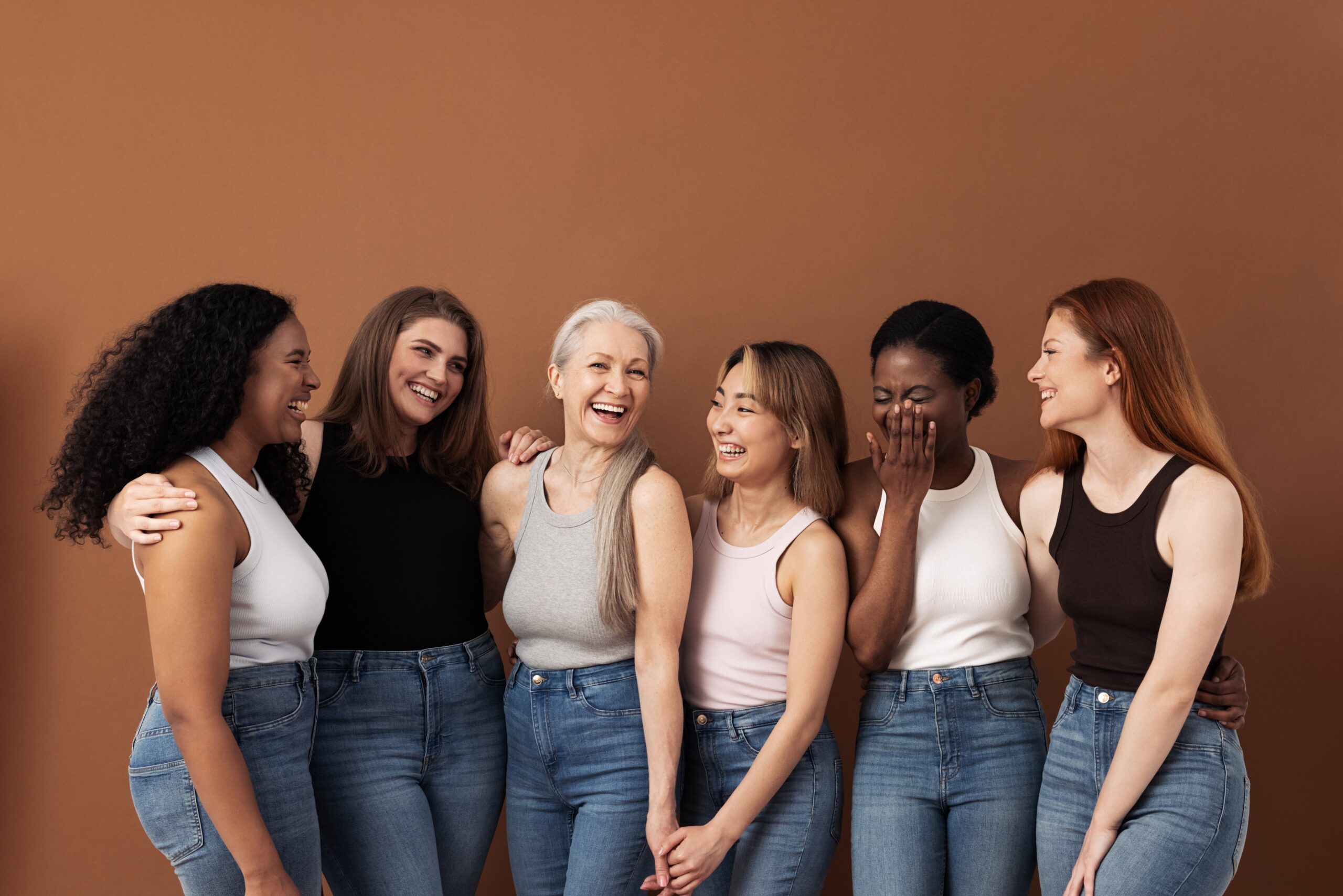
Navigating the world of women’s clothing sizes in inches can sometimes feel like deciphering an ancient riddle. From bustling online boutiques to cozy local shops, understanding your measurements is the key to unlocking a wardrobe that fits flawlessly and makes you feel absolutely fabulous! This comprehensive guide is here to banish sizing confusion and empower you to shop with confidence, ensuring every purchase is a perfect fit.
The Crucial Importance of Knowing Your Measurements
In the realm of fashion, fit is paramount. A garment that drapes beautifully and accentuates your best features can transform your confidence and overall style. While size charts can be a helpful starting point, they are often generalized. The true magic lies in understanding your individual body measurements and how they translate to women’s clothing sizes in inches. This knowledge is your secret weapon against ill-fitting clothes, those disappointing online returns, and the frustration of not finding pieces that truly celebrate your shape. Embracing your measurements means embracing your unique beauty and making informed decisions that lead to sartorial satisfaction.
Mastering the Art of Measuring: Your Essential Guide
Before diving into the specifics of women’s clothing sizes in inches, let’s equip ourselves with the most vital tool: accurate measurements. Grab a soft, flexible measuring tape and follow these simple steps. Remember, it’s best to measure over minimal or no clothing for the most precise results.
Bust: The Foundation of a Great Fit
Your bust measurement is crucial for tops, dresses, and fitted jackets.
- How to Measure: Wrap the measuring tape around the fullest part of your bust, ensuring it’s snug but not constricting. Keep the tape parallel to the floor and avoid pulling it too tight, which can distort the measurement. If you wear a bra, measure with your regular bra on for an accurate representation of how clothing will fit.
Waist: Defining Your Silhouette
Your natural waist is the narrowest part of your torso, typically located above your belly button and below your rib cage.
- How to Measure: Gently bend to one side to find the natural crease. Wrap the tape measure around this crease, keeping it level. Breathe normally and don’t suck in your stomach, as this will lead to an inaccurate reading. This measurement is vital for skirts, trousers, and fitted dresses.
Hips: The Fullest Part of Your Lower Body
Your hip measurement captures the widest circumference around your hips and buttocks.
- How to Measure: Stand with your feet together and wrap the tape measure around the fullest part of your hips and the top of your buttocks. Ensure the tape is level all the way around and not too tight. This measurement is essential for jeans, skirts, and dresses that are fitted through the hip area.
Inseam: For Perfectly Hemmed Trousers
The inseam refers to the length of your leg from the crotch to the hem of your trousers.
- How to Measure: You can either measure a pair of trousers that fit you well or have someone help you. For an accurate self-measurement, stand with your back against a wall, place a book between your legs as if sitting, and mark the top of the book on the wall. Measure from that mark down to your ankle or the desired hem length. This ensures your pants aren’t too long or too short.
Sleeve Length: For Comfortable Arm Movement
Sleeve length ensures your sleeves hit at the right point on your arm, providing both style and comfort.
- How to Measure: With your arm slightly bent, start the tape measure at the center back of your neck. Run the tape down your shoulder and along your arm to your wrist bone. This measurement is key for shirts, blouses, and jackets.
Rise: Understanding Trouser Fit
The rise of trousers refers to the distance from the crotch seam to the top of the waistband. It significantly impacts how a pair of pants feels and sits on your body.
- How to Measure: This is typically found on a garment’s label or product description. You can also measure it on a pair of well-fitting trousers by measuring from the crotch seam straight up to the top of the waistband.
Understanding Common Sizing Systems and Their Inch Equivalents
While many brands use lettered sizing (S, M, L, XL), the underlying measurements are often based on inches. Understanding these conversions is crucial for accurate online shopping and when comparing across different brands.
The U.S. Standard: A Familiar Framework
The U.S. standard sizing system is widely used in North America and often serves as a baseline for many brands. Here’s a general overview of how typical women’s clothing sizes in inches translate:
| Size | Bust (inches) | Waist (inches) | Hips (inches) |
|---|---|---|---|
| XS | 30-32 | 22-24 | 32-34 |
| S | 32-34 | 24-26 | 34-36 |
| M | 34-36 | 26-28 | 36-38 |
| L | 36-38 | 28-30 | 38-40 |
| XL | 38-40 | 30-32 | 40-42 |
| XXL | 40-42 | 32-34 | 42-44 |
Important Note: These are general guidelines. Always refer to the specific brand’s size chart for the most accurate information. Factors like the garment’s intended fit (e.g., relaxed vs. fitted) will also influence the best size for you.
International Sizing: Bridging the Gap
When shopping from international brands, you’ll encounter different sizing conventions. Here’s a simplified look at how some common international sizes might align with U.S. inch measurements:
- UK Sizing: Often runs a size smaller than U.S. sizing. A U.S. size 8 might correspond to a UK size 12.
- EU Sizing: Generally runs smaller than U.S. sizing. A U.S. size M might be an EU size 38 or 40.
The best approach is always to look for the brand’s specific conversion chart that relates their international sizes to U.S. inch measurements.
The Nuances of Fit: Beyond the Numbers
While understanding women’s clothing sizes in inches is fundamental, it’s equally important to consider the nuances of Fashion store turnhout openingsuren your ultimate guide to stylish shopping fit and how different styles can affect how a garment drapes.
The Importance of Fabric and Drape
The material of a garment plays a significant role in its fit. Stretchy fabrics like spandex blends will offer more forgiving measurements, while structured materials like denim or linen will require a more precise fit. A flowing maxi dress might accommodate a slightly wider range of hip measurements than a pencil skirt. Pay attention to fabric descriptions when shopping online.
Understanding Silhouettes: From Relaxed to Bodycon
- Relaxed Fit: Garments designed for comfort and ease, offering more room. You might be able to size down for a more tailored look or stick to your usual size for ultimate comfort.
- Tailored/Fitted Fit: Designed to skim the body and accentuate curves. Precise measurements are crucial here to avoid being too tight or too loose.
- Oversized Fit: Intentionally designed to be larger and looser. Size down if you prefer a less exaggerated look.
- Bodycon: A very tight, figure-hugging style. Exact measurements are essential for a flattering fit.
Petite, Tall, and Plus Sizes: Catering to Every Body
It’s wonderful that the fashion industry is increasingly offering a wider range of sizes to accommodate all body types.
- Petite Sizes: Typically designed for women who are shorter in height, with shorter inseams, sleeve lengths, and proportionally adjusted torso lengths.
- Tall Sizes: Cater to women with longer limbs, featuring longer inseams and sleeve lengths.
- Plus Sizes: Designed for women with curvier figures, often with adjusted bust, waist, and hip ratios to ensure a flattering and comfortable fit. Always look for specific plus-size charts as they can differ significantly from standard sizing.
Shopping Smart: Tips for Finding Your Perfect Fit
With your measurements in hand and a better understanding of women’s clothing sizes in inches, you’re ready to shop with newfound confidence!
Online Shopping Savvy
- Always Check the Size Chart: This is non-negotiable. Don’t assume your usual size will translate. Look for measurements in inches.
- Read Product Descriptions Carefully: Note fabric composition, stretch, and intended fit.
- Look for Model Measurements: Many retailers provide the model’s height and the size they are wearing, offering a valuable visual reference.
- Customer Reviews are Gold: Pay attention to comments about sizing and fit. Do people find it runs true to size, small, or large?
- Understand the Return Policy: Shop from retailers with generous return policies, especially when trying new brands.
In-Store Triumph
- Don’t Be Afraid to Try On: This is the best way to assess fit.
- Move Around in the Clothes: Sit, stand, reach, and walk to ensure comfort and freedom of movement.
- Bring Your Measurements: If you’re unsure, have your measurements written down to compare against size charts.
- Ask for Assistance: Sales associates can offer valuable advice and help you find alternative sizes or styles.
Embracing Your Unique Shape: Confidence is Your Best Accessory
Ultimately, understanding women’s clothing sizes in inches is about more than just numbers; it’s about empowering yourself to make choices that make you feel good. Every body is beautiful, and the goal is to find clothing that celebrates your unique shape and makes you feel confident and radiant. Don’t be discouraged if you fall between sizes or if a particular brand doesn’t work for you. There’s a perfect fit out there waiting to be discovered!
Frequently Asked Questions About Women’s Clothing Sizes in Inches
Q1: How often should I measure myself for women’s clothing sizes in inches?
A1: It’s a good idea to measure yourself at least once a year, or whenever you notice significant changes in your body or start shopping for new styles that require a precise fit.
Q2: What if my measurements fall between two sizes in women’s clothing sizes in inches?
A2: Best 3ds games for girls unforgettable adventures await Consider the garment’s fabric and intended fit. If it’s a stretchy fabric and a more relaxed style, you might be able to size down. For structured fabrics or fitted styles, it’s often safer to size up. Always refer to the brand’s specific recommendations.
Q3: Do different countries have vastly different women’s clothing sizes in inches?
A3: While the concept of using inches for measurements is common, the numerical equivalents for specific sizes (e.g., what constitutes a "Medium") can vary between countries. Always consult the brand’s size chart.
Q4: What’s the difference between bust, waist, and hip measurements for women’s clothing sizes in inches?
A4: The bust is the fullest part of your chest, the waist is the narrowest part of your torso, and the hips are the fullest part of your lower body. These three measurements are critical for determining the correct size for most garments.
Q5: How do I find women’s clothing sizes in inches for a brand I’ve never shopped from before?
A5: Always look for the brand’s official size chart on their website. Most online retailers will have a dedicated sizing guide that provides measurements in inches for each size.
As you embark on your next shopping adventure, remember that understanding women’s clothing sizes in inches is your compass to a more satisfying and stylish wardrobe. Share your favorite tips for finding the perfect fit in the comments below – let’s celebrate confident dressing together!