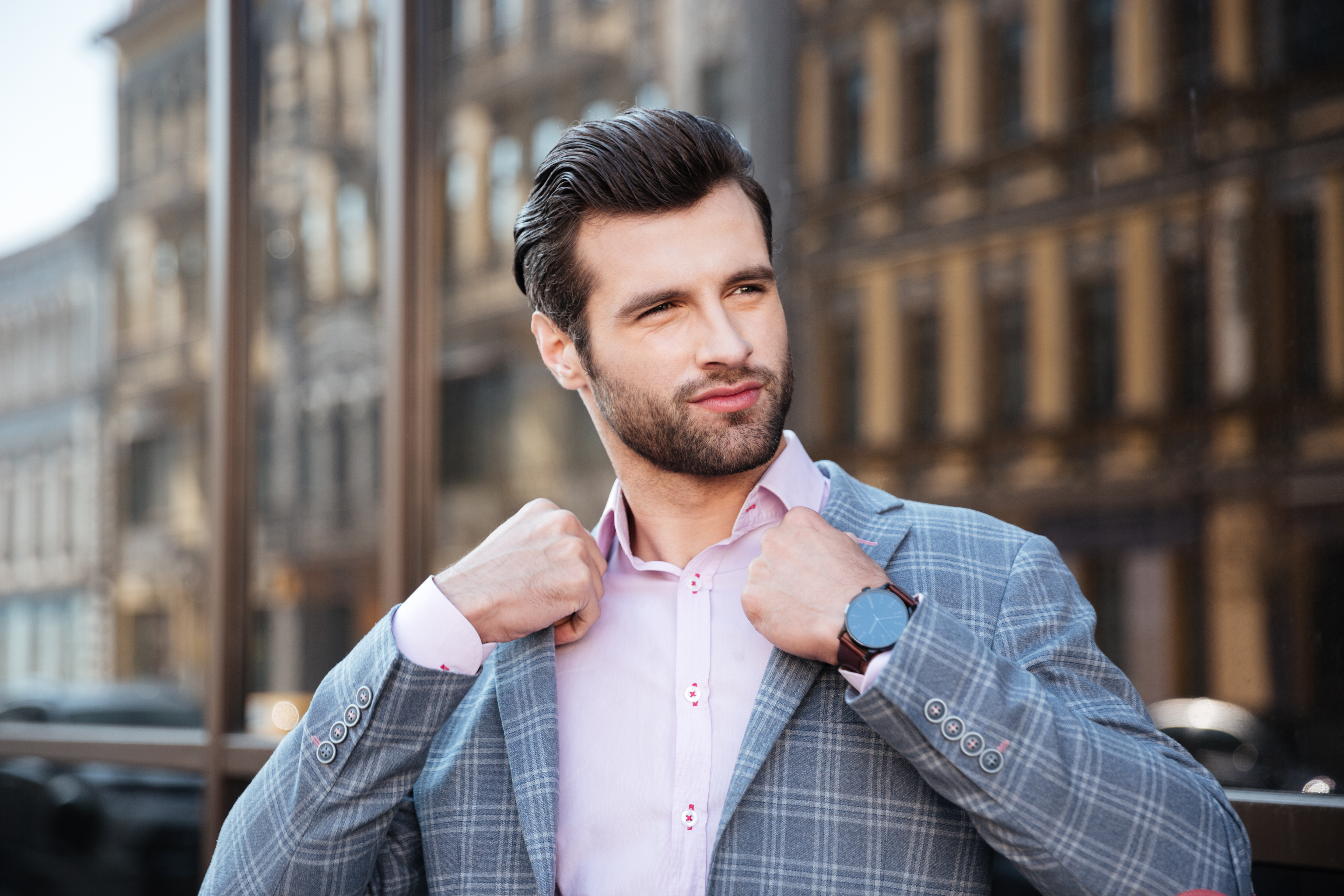
Navigating the world of men’s clothes sizes UK can sometimes feel like a challenging festive treasure hunt, but fear not! This comprehensive guide is designed to banish confusion and ensure you find perfectly fitting garments, making you look and feel your absolute best, whether you’re attending a Christmas party, a New Year’s bash, or simply enjoying the winter cheer. Understanding your measurements and how they translate across different brands is key to building a stylish and confident wardrobe.
Unlocking the Mystery: A Deep Dive into Men’s Clothes Sizes UK
Gone are the days of guesswork and endless returns. With a little knowledge, you can confidently stride into any store or browse online knowing exactly what to look for. This guide will demystify the often-confusing landscape of men’s clothes sizes UK, offering practical advice and essential tips to ensure every purchase is a winner. We’ll cover everything from basic measurements to understanding specific garment types, ensuring a truly triumphant shopping experience.
The Foundation of Fit: Accurate Measurement Techniques
Before you even think about browsing, the most crucial step is understanding your own body. Accurate measurements are the bedrock of finding the right men’s clothes sizes UK. Grab a soft measuring tape and enlist a friend for assistance if needed – precision is key!
Chest Measurement: The Cornerstone of Tops
This is arguably the most important measurement for shirts, jackets, and coats.
- How to Measure: Stand relaxed with your arms at your sides. Wrap the tape measure around the fullest part of your chest, usually across your nipples. Ensure the tape is snug but not constricting.
- What it Affects: This measurement dictates the overall width of tops, influencing comfort and how the garment drapes.
- Common Pitfalls: Measuring too tightly or too loosely can lead to inaccurate sizing.
Waist Measurement: For Trousers and More
Essential for trousers, jeans, shorts, and even the cinched waist of certain jackets.
- How to Measure: Measure around your natural waistline, which is typically the narrowest part of your torso, usually just above your belly button. Again, keep the tape snug but comfortable.
- What it Affects: This directly impacts the fit around your midsection for bottoms and can influence the comfort of waistbands on other garments.
- Common Pitfalls: Mistaking your hip measurement for your waist measurement.
Hip Measurement: Crucial for Bottoms
This measurement is vital for ensuring trousers and shorts fit comfortably over your hips and posterior.
- How to Measure: Stand with your feet together and measure around the fullest part of your hips and buttocks.
- What it Affects: This ensures ease of movement and a flattering silhouette for all legwear.
- Common Pitfalls: Not accounting for a fuller posterior or wider hips.
Inside Leg (Inseam): The Key to Trouser Length
This determines how long your trousers will be, preventing them from being too short or dragging on the floor.
- How to Measure: Measure from the crotch seam down to where you want the hem of your trousers to fall. It’s best to wear shoes that you’d typically pair with the trousers you’re buying.
- What it Affects: Directly dictates the length of your trousers.
- Common Pitfalls: Measuring from the top of the waistband or not considering shoe height.
Neck Measurement: For Shirts and Ties
While often overlooked, a proper neck measurement ensures comfortable collar fit.
- How to Measure: Wrap the tape measure around the base of your neck, where a collar would naturally sit. Leave enough room for one finger to fit comfortably between the tape and your neck.
- What it Affects: Crucial for shirt collar fit, preventing tightness or excessive looseness.
- Common Pitfalls: Measuring too tightly, making the collar uncomfortable.
Sleeve Length: For Jackets and Shirts
Ensuring your sleeves hit the right spot is key to a polished look.
- How to Measure: With your arm slightly bent, measure from the shoulder seam down to your wrist bone.
- What it Affects: Determines where the cuff of your shirt or jacket sits.
- Common Pitfalls: Measuring with a straight arm, leading to sleeves that are too long.
Decoding the Labels: Understanding UK Sizing Conventions
Once you have your measurements, the next step is to understand how they correspond to the men’s clothes sizes UK labels you’ll encounter. While there’s a general standard, variations do exist between brands.
The Numerical System (UK 30, 32, 34, etc.)
This is the most common system for trousers and waistbands.
- How it Works: These numbers generally refer to your waist measurement in inches. So, a UK size 32 in trousers will likely be designed for someone with a 32-inch waist.
- Variations: Some brands might offer a range within a size (e.g., 32-34), indicating a slightly more flexible fit. Always check the specific brand’s sizing chart.
- Interpreting Fit: If you fall between sizes, consider the desired fit. A looser fit might mean sizing up, while a more tailored look might mean sizing down if you’re on the lower end of a range.
Alpha Sizing (S, M, L, XL)
This system is prevalent for t-shirts, jumpers, casual shirts, and some outerwear.
- How it Works: These letters correspond to a range of body measurements.
- S (Small): Typically fits chest sizes around 36-38 inches.
- M (Medium): Usually fits chest sizes around 38-40 inches.
- L (Large): Generally fits chest sizes around 40-42 inches.
- XL (Extra Large): Commonly fits chest sizes around 42-44 inches.
- XXL and beyond: Continue to increase in increments, usually by 2 inches for chest size.
- Crucial Note: These are approximate. Always consult the brand’s specific sizing guide, as a "Large" in one brand can be a "Medium" in another. This is a common frustration with men’s clothes sizes UK.
- Beyond XL: You’ll find sizes like XXL, XXXL, and even larger, catering to a diverse range of body types.
Collar Sizes (UK 14.5, 15, 15.5, etc.)
This system is specifically for dress shirts and formal shirts.
- How it Works: These numbers represent your neck measurement in inches. A UK size 15 collar is designed for a neck circumference of approximately 15 inches.
- Importance: A well-fitting collar is essential for a smart and comfortable shirt, especially when wearing a tie.
- Finding the Right Fit: Aim for a fit where you can comfortably slip one finger between the collar and your neck when buttoned up.
Navigating Specific Garment Types
While general sizing principles apply, certain garments have unique considerations within men’s clothes sizes UK.
Trousers and Jeans
- Waist and Inside Leg: Most trousers and jeans will be labelled with both a waist size (in inches) and an inside leg measurement (in inches). For example, "32W x 30L" means a 32-inch waist and a 30-inch inside leg.
- Fit Styles: Understand the intended fit of the garment – slim fit, straight leg, relaxed fit, bootcut, etc. This will influence how the size translates to your body. Slim fit will be tighter, while relaxed fit will be looser.
- Rise: The rise refers to the distance from the crotch seam to the top of the waistband. Different rises (low, mid, high) can affect how a pair of trousers sits on your body.
Shirts (Casual and Formal)
- Casual Shirts: Often use alpha sizing (S, M, L, XL). Pay close attention to chest and overall length measurements.
- Formal Shirts: Primarily use collar sizing. However, some brands also offer sleeve length options within their collar sizes (e.g., 15" neck, 32/33" sleeve). If you have longer or shorter arms than average, this is a valuable feature.
Jackets and Coats
- Chest and Shoulder Width: These are paramount for jackets and coats. The chest measurement ensures the body of the jacket fits comfortably, while shoulder width dictates how it sits on your shoulders.
- Sleeve Length: Crucial for ensuring the sleeves don’t obscure your hands or look too short.
- Overall Length: Consider the intended style. A blazer might be shorter, while a winter coat will be longer.
- Layering: If you plan to wear thick layers underneath, consider sizing up slightly for a more comfortable fit.
Knitwear (Jumpers and Cardigans)
- Chest and Sleeve Length: Similar to shirts, focus on chest and sleeve length.
- Fit: Knitwear can range from slim-fitting to oversized. Decide on your preferred style.
- Material: Different knitwear materials (e.g., wool, cotton, cashmere) can have varying degrees of stretch and drape, which can slightly influence the fit.
The Power of the Sizing Chart: Your Indispensable Tool
In the realm of men’s clothes sizes UK, the sizing chart is your absolute best friend. Don’t underestimate its importance.
Where to Find Them:
- Online Retailers: Every reputable online clothing store will have a dedicated sizing chart on each product page or a general sizing guide section.
- Brand Websites: Directly visiting the brand’s website often provides the most accurate and detailed sizing information for their specific products.
- In-Store: Most physical stores will have sizing charts available at the customer service desk or near the changing rooms.
How to Use Them Effectively:
- Measure Yourself Accurately: As discussed earlier, this is the first and most critical step.
- Compare Your Measurements: Carefully compare your personal measurements to the corresponding chart for the brand and garment type you’re interested in.
- Note the "To Fit" vs. "Garment Measurements": Some charts provide "to fit" measurements (your body size), while others give actual "garment measurements." Understanding the difference is key. Garment measurements are the actual dimensions of the clothing item itself, allowing you to gauge how much room you’ll have.
- Read the Fit Notes: Many sizing charts include helpful notes about the intended fit (e.g., "slim fit," "relaxed fit," "true to size").
- Consider Customer Reviews: Online reviews can often offer invaluable insights into how a particular garment fits in reality, especially regarding men’s clothes sizes UK.
Tackling Brand Variations: The Inconsistency Challenge
One of the most persistent challenges with men’s clothes sizes UK is the variation between brands. What might be a Large in one brand could be a Medium in another. This is a common point of frustration for shoppers.
Why the Discrepancy?
- Target Audience: Brands may tailor their sizing to a specific demographic.
- Design Philosophy: Some brands aim for a more contemporary, slimmer fit, while others opt for a more classic or relaxed silhouette.
- Manufacturing Differences: Slight variations in manufacturing processes can also contribute.
Strategies for Success:
- Know Your Go-To Brands: If you have a few brands you regularly shop from, you’ll likely develop an understanding of their specific sizing.
- Always Check the Chart: This cannot be stressed enough. Even if you’ve bought from a brand before, their sizing can change between seasons or product lines.
- Read Product Descriptions Carefully: Descriptions often provide clues about the fit and how it might differ from standard sizing.
- Don’t Be Afraid to Try On: If shopping in-store, always try items on. This is the most reliable way to ensure a good fit.
- Utilize Online Returns Policies: For online purchases, familiarise yourself with the retailer’s returns policy. This allows you to order with confidence, knowing you can easily return items that don’t fit.
Common Pitfalls and How to Avoid Them
Even with the best intentions, some common mistakes can lead to ill-fitting clothing.
Pitfall 1: Relying on Your Old Size
Your body can change, and so can clothing sizes. Always re-measure and check charts.
Pitfall 2: Guessing Sleeve Length on Jackets
This can lead to sleeves that are too short or too long, impacting the overall polish of your outfit. Always check sleeve length measurements or try on.
Pitfall 3: Not Considering the Fit Style
A slim-fit shirt in your usual size might be too tight if you’re accustomed to a relaxed fit. Understand the intended silhouette.
Pitfall 4: Forgetting About Layers
If you plan to wear a jumper under a jacket, ensure the jacket has enough room.
Pitfall 5: Ignoring the Rise of Trousers
A low-rise trouser will sit differently than a mid-rise or high-rise. This can affect comfort and how the waist fits.
Embracing the Festive Spirit: Perfecting Your Holiday Wardrobe
As the festive season approaches, finding the perfect men’s clothes sizes UK becomes even more important. You want to look and feel your best for every celebration.
For the Christmas Party:
- Suits and Tuxedos: Precision is key. Ensure the jacket shoulders fit perfectly, the sleeves are the correct length, and the trousers have the right break.
- Dress Shirts: A well-fitting collar and crisp sleeve length are essential for a sharp look.
- Smart Trousers: Comfortable waist and a flattering cut will ensure you can enjoy the festivities without any wardrobe distractions.
For Casual Gatherings:
- Jumpers and Knitwear: Opt for a fit that allows for comfort and warmth, whether it’s a slim-fit merino wool jumper or a chunky cable knit.
- Jeans: Choose a style and fit that complements your physique and the occasion.
- Casual Shirts: Ensure they aren’t too tight across the shoulders or too baggy.
Conclusion: Your Confident Fit Awaits!
Mastering men’s clothes sizes UK is an empowering skill that will save you time, money, and frustration. By understanding your measurements, diligently using sizing charts, and being aware of brand variations, you can confidently build a wardrobe that fits impeccably and reflects your personal style. This festive season, step out with renewed confidence, knowing you’re dressed to impress from the inside out. Happy shopping, and may your festive celebrations be filled with joy and perfectly fitting attire!
Frequently Asked Questions About Men’s Clothes Sizes UK
Q1: What is the difference between UK and US men’s clothing sizes?
Generally, US sizes tend to be slightly larger than their UK counterparts. For example, a UK Medium is often equivalent to a US Small, and a UK Large to a US Medium. However, this can vary significantly between brands, so always consult specific sizing charts.
Q2: How can I ensure my trousers fit well if I’m between sizes?
If you’re between sizes for trousers, consider the desired fit. If you prefer a looser feel or plan to wear thicker belts, sizing up might be beneficial. If you’re aiming for a slimmer look, and the trousers have some stretch, sizing down could work, but always check the specific fabric and cut.
Q3: What does "inseam" mean for Womens urban clothing stores near me online discover your ultimate style destination men’s trousers?
The inseam is the length of the inside leg of a pair of trousers, measured from the crotch seam to the hem. It determines how long the trousers will be when worn.
Q4: Is it better to Girls boots size uk the ultimate guide for festive footwear size up or down for men’s t-shirts?
This depends on your preferred fit. If you like a more relaxed, comfortable fit, sizing up might be a good idea. If you prefer a closer, more athletic fit, stick to your usual size or consider sizing down if the t-shirt is known to run large. Always check the brand’s sizing chart and look for fit descriptions (e.g., "slim fit," "regular fit").
Q5: How often should I re-measure myself for clothing sizes?
It’s a good practice to re-measure yourself at least once a year, or whenever you notice your clothes don’t fit as well as they used to. Body composition can change, and it’s essential to stay updated for accurate men’s clothes sizes UK purchases.