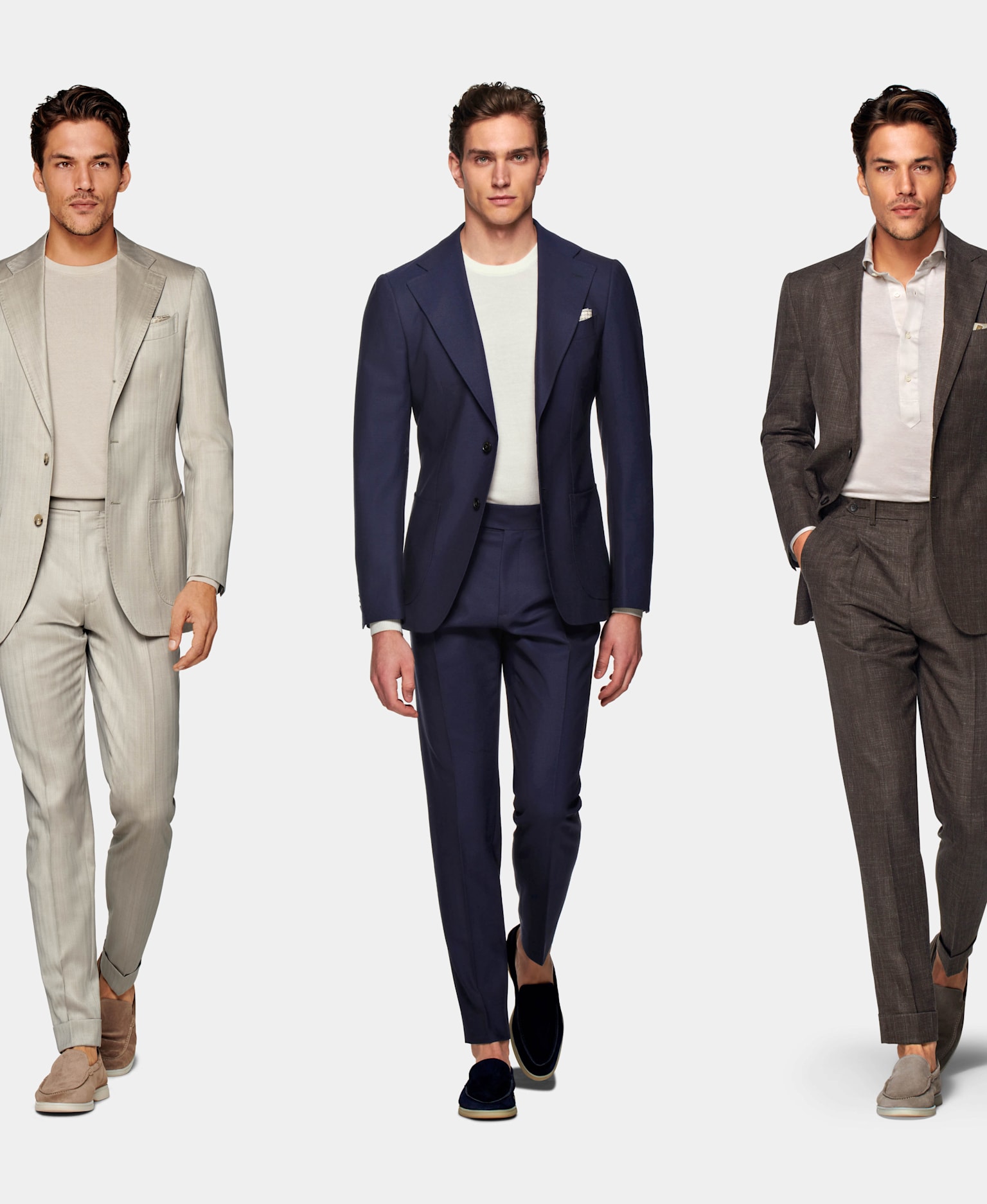
Decoding Men’s Clothes Sizes Chart: Your Ultimate Guide to Flawless Style
The quest for the perfect fit can sometimes feel like a festive treasure hunt, especially when navigating the world of men’s clothing sizes. But fear not! This comprehensive guide to the men’s clothes sizes chart is your key to unlocking a wardrobe that not only looks fantastic but feels incredibly comfortable. Gone are the days of frustrating returns and ill-fitting garments. We’re here to arm you with the knowledge to confidently shop online or in-store, ensuring every purchase is a win.
In the spirit of celebration and sartorial success, understanding your measurements is paramount. Think of it as laying the foundation for a truly stylish ensemble. Whether you’re preparing for a holiday gathering, a crucial business meeting, or simply updating your everyday look, having a grasp of the men’s clothes sizes chart will transform your shopping Explorer clothes girl ai art tutorial unleash your creative spirit experience from daunting to delightful. Let’s dive in and discover how to find your perfect fit with ease!
Why Mastering the Men’s Clothes Sizes Chart is Crucial
Before we delve into the specifics of measurements, let’s appreciate why this knowledge is so vital. A well-fitting garment is more than just fabric; it’s about confidence, comfort, and projecting the best version of yourself.
- Confidence Boost: When your clothes fit correctly, they drape and move with you, enhancing your natural silhouette. This can lead to a significant boost in self-assurance, making you feel ready to take on any occasion.
- Enhanced Comfort: An ill-fitting shirt can be restrictive, a pair of trousers too tight or too loose, leading to discomfort throughout the day. The right size ensures freedom of movement and a pleasant wearing experience.
- A Polished Appearance: Even the most expensive outfit can look unkempt if it doesn’t fit properly. Understanding the men’s clothes sizes chart helps you avoid common pitfalls like baggy shoulders, overly long sleeves, or trousers that bunch at the ankles.
- Smarter Shopping: Online shopping has revolutionized how we buy clothes, but it also presents challenges. Having your precise measurements and understanding how they translate to different brands’ sizing can save you time, money, and the hassle of returns.
- Sustainable Choices: By purchasing clothes that fit well and are made to last, you contribute to a more sustainable wardrobe. Fewer returns and longer-lasting garments mean less waste.
The Cornerstone: Essential Body Measurements for Men’s Clothes
The heart of any reliable men’s clothes sizes chart lies in accurate body measurements. Grab a soft tape measure and get ready to take down some key figures. It’s often helpful to have a friend assist you for more accurate readings, especially for measurements like your back or inseam.
1. Chest Measurement: The Foundation of Upper Body Fit
This is arguably the most critical measurement for shirts, jackets, and outerwear.
- How to Measure: Stand tall with your arms relaxed at your sides. Wrap the tape measure around the fullest part of your chest, just under your armpits. Ensure the tape is snug but not constricting. Keep your back straight and avoid puffing out your chest.
- What it Affects: Shirt chest size, jacket chest size, coat chest size.
2. Waist Measurement: Defining Your Midsection
Crucial for Y2k images for clothing fashion a glorious nostalgia trip trousers, jeans, shorts, and even some suit jackets.
- How to Measure: Measure around your natural waistline, which is typically the narrowest part of your torso, usually just above your belly button. Relax your stomach and exhale naturally. The tape should be snug but comfortable.
- What it Affects: Trouser waist size, jeans waist size, shorts waist size, suit jacket waist.
3. Hip Measurement: Key for Trousers and Bottoms
Important for ensuring a comfortable and flattering fit for trousers and jeans.
- How to Measure: Stand with your feet together. Wrap the tape measure around the fullest part of your hips and buttocks. Make sure the tape is level all the way around.
- What it Affects: Trouser hip size, jeans hip size, shorts hip size.
4. Inseam Measurement: The Perfect Trouser Length
Determines how your trousers will fall on your legs.
- How to Measure: This is best done with the help of another person. Wear shoes similar to what you would typically wear with the trousers you’re measuring for. Stand straight, and have your assistant measure from the crotch seam of your trousers down to the desired hemline (usually the top of your shoe). Alternatively, you can measure from your crotch down to your ankle bone.
- What it Affects: Trouser length, jeans length.
5. Sleeve Length: Ensuring a Polished Look
Essential for shirts, jackets, and suits.
- How to Measure: With your arm slightly bent at the elbow, measure from the center of the back of your neck, across your shoulder, and down to your wrist bone. You can also measure from the shoulder seam down to your wrist.
- What it Affects: Shirt sleeve length, jacket sleeve length, suit jacket sleeve length.
6. Neck Measurement: For Collared Shirts
A vital measurement for ensuring a comfortable collar fit.
- How to Measure: Wrap the tape measure around the base of your neck, where a shirt collar would sit. Leave enough room for one finger to comfortably fit between the tape and your neck.
- What it Affects: Dress shirt neck size, casual shirt collar size.
Navigating the Men’s Clothes Sizes Chart: Common Systems and Variations
The beauty of the men’s clothes sizes chart is its diversity, but this can also be a source of confusion. Different countries and brands use varying sizing systems. Here’s a breakdown of the most common ones:
1. Alpha Sizing (S, M, L, XL, etc.)
This is the most prevalent system for casual wear like t-shirts, sweaters, and some shirts.
- Understanding: Small (S), Medium (M), Large (L), Extra Large (XL), etc., are generally based on chest measurements and sometimes waist.
- Key Considerations:
- Brand Variations: A "Large" from one brand can be significantly different from a "Large" in another. Always check the brand’s specific size guide.
- Fit Preference: Do you prefer a relaxed fit, a regular fit, or a slim fit? Alpha sizing often reflects these different cuts.
2. Numeric Sizing (e.g., 30, 32, 34 for waist; 30, 32, 34 for inseam)
This system is most commonly used for trousers, jeans, and shorts.
- Understanding: The first number usually represents the waist measurement in inches, and the second number represents the inseam length in inches (e.g., 32×30 means a 32-inch waist and a 30-inch inseam).
- Key Considerations:
- Rise: The "rise" of a trouser (the distance from the crotch to the waistband) can affect how they fit. Low-rise, mid-rise, and high-rise styles will feel different even with the same waist and inseam.
- Leg Cut: Straight leg, slim fit, bootcut, and relaxed fit all have different silhouettes and can impact the overall feel.
3. Collar and Sleeve Sizing (e.g., 15.5" Neck / 34" Sleeve)
This system is standard for dress shirts and some formal shirts.
- Understanding: The first number refers to the neck circumference in inches (or centimeters), and the second number refers to the sleeve length in inches (or centimeters), measured from the center back of the neck.
- Key Considerations:
- Collar Fit: A well-fitting collar should allow you to comfortably slip one finger between the collar and your neck when buttoned.
- Sleeve Length: The cuff of your shirt should extend to the point where your thumb meets your wrist bone, with about half an inch to an inch of shirt cuff showing from under your suit jacket.
4. International Sizing (e.g., EU, UK)
Many global brands will provide sizing conversions.
- Understanding:
- EU Sizing: Often uses numeric systems (e.g., 48, 50, 52) for suits and trousers, and alpha sizing for casual wear.
- UK Sizing: Similar to US sizing but with some variations, particularly for suits.
- Key Considerations: Always look for the conversion chart provided by the retailer or brand.
Decoding Specific Garment Categories: A Deeper Dive
Let’s break down how the men’s clothes sizes chart applies to common wardrobe staples.
Shirts (Dress Shirts, Casual Shirts, T-Shirts)
- Key Measurements: Chest, Neck (for dress shirts), Sleeve Length (for dress shirts).
- Tips:
- T-Shirts: Focus on chest and overall length. Consider your preferred fit (slim, regular, relaxed).
- Casual Shirts (Button-Downs): Chest is primary, but consider shoulder width and sleeve length.
- Dress Shirts: Neck size is crucial for comfort. Sleeve length ensures a polished look. Chest and waist measurements will determine the overall fit.
Trousers and Jeans
- Key Measurements: Waist, Hip, Inseam.
- Tips:
- Waist: Ensure it sits comfortably without digging in or being too loose.
- Inseam: This is where personal preference really comes into play. Do you like your trousers to break slightly on your shoe, have a full break, or be cropped?
- Fit: Understand the difference between slim fit, straight leg, relaxed fit, and bootcut.
Jackets and Coats
- Key Measurements: Chest, Shoulder Width, Sleeve Length, Waist (for tailored jackets).
- Tips:
- Chest: This is the most important measurement. You should be able to comfortably button the jacket without it pulling.
- Shoulder Width: The shoulder seams should align with your natural shoulder line.
- Layering: Consider what you’ll typically wear underneath. If you plan to layer a thick sweater, you might need a slightly larger size.
- Tailored Jackets: Pay attention to the waist measurement for a more structured fit.
Suits
- Key Measurements: Chest, Waist, Shoulder Width, Sleeve Length, Trouser Waist, Trouser Inseam.
- Tips:
- The "Drop": Suit jackets often have a "drop" which refers to the difference between the chest size and the waist size. A common drop is 6 inches (e.g., a 40-inch chest jacket might have a 34-inch waist).
- Fit is Paramount: Suits are an investment. Getting the fit right is essential for a sharp appearance. It’s often worth investing in tailoring for a truly bespoke feel.
Tips for Accurate Measurement and Shopping
To make the men’s clothes sizes chart work its magic, follow these best practices:
- Measure Over Undergarments: For most measurements, wear only your underwear or thin clothing.
- Use a Flexible Tape Measure: A tailor’s tape measure is ideal. Avoid rigid metal tapes.
- Stand Naturally: Avoid sucking in your stomach or puffing out your chest. Relax and stand in your normal posture.
- Double-Check: It’s always a good idea to measure yourself twice or have a friend assist you.
- Consult Brand-Specific Charts: This cannot be stressed enough! Every brand has its own interpretation of sizing.
- Read Reviews: Customer reviews can often provide valuable insights into how a particular garment fits (e.g., "runs small," "true to size").
- Consider Fabric and Stretch: Some fabrics have more stretch than others, which can affect fit.
- Don’t Be Afraid to Ask for Help: In-store sales associates are there to assist you.
Common Pitfalls to Avoid When Using the Men’s Clothes Sizes Chart
Even with the best intentions, it’s easy to make mistakes. Here are some common traps to sidestep:
- Assuming Your Size: Your size can change over time due to weight fluctuations or changes in body composition. Never assume your size from one brand to another or even from one purchase to the next.
- Ignoring International Differences: A US "Large" is not the same as an EU "Large." Always look for conversion charts.
- Focusing Solely on One Measurement: A good fit requires consideration of multiple measurements. A shirt with the right chest size but too-long sleeves will still look off.
- Not Considering "Fit" Descriptions: Words like "slim fit," "regular fit," and "relaxed fit" are crucial. Understand what they mean for the garment’s silhouette.
- Buying for Potential Weight Loss/Gain: While aspirational, buying clothes that are too big or too small in anticipation of future changes rarely works out well. Focus on what fits you now.
Embrace the Festive Spirit of Finding Your Perfect Fit!
Navigating the men’s clothes sizes chart doesn’t have to be a chore. By understanding your body, familiarizing yourself with different sizing systems, and employing smart shopping strategies, you can confidently build a wardrobe that makes you look and feel your absolute best. Think of each well-fitting garment as a gift to yourself – a gift of confidence, comfort, and undeniable style. So, go forth, measure up, and unlock the joy of dressing perfectly!
Frequently Asked Questions (FAQ) about Men’s Clothes Sizes Chart
Q1: How do I find my men’s clothes sizes chart?
A1: Most clothing brands and retailers provide their own specific size charts on their websites. You can also find general men’s clothing size charts online that offer typical measurements for various sizes (S, M, L, XL, numeric sizes, etc.).
Q2: What are the most important measurements for men’s clothing?
A2: The most crucial measurements are typically chest, waist, and inseam. For shirts, neck size and sleeve length are also important. For jackets, shoulder width is key.
Q3: How do I measure my chest for men’s clothes sizes?
A3: Stand with your arms relaxed at your sides. Wrap a soft tape measure around the fullest part of your chest, just under your armpits. Ensure the tape is snug but not tight.
Q4: My waist measurement is between two sizes on the men’s clothes sizes chart. What should I do?
A4: If your waist measurement falls between two sizes, it’s often best to consider the fit preference. For trousers and jeans, if you prefer a slightly looser fit or plan to wear thicker undergarments, consider sizing up. If you prefer a snugger fit, size down. Always check the brand’s specific recommendations if available.
Q5: How do I know if a jacket size is correct using the men’s clothes sizes chart?
A5: For jackets, ensure the chest measurement is accurate and allows for comfortable movement and layering. The shoulder seams should sit at the edge of your shoulders. Sleeve length should extend to your wrist bone, and the jacket should button comfortably without pulling across the chest or back.
Q6: Do different countries have different men’s clothes sizes charts?
A6: Yes, absolutely. The US, UK, and EU all have different sizing systems. Always refer to the specific sizing chart provided by the brand or retailer, and look for international conversion charts if necessary.
Q7: What is the difference between "fit" and "size" in men’s clothing?
A7: "Size" refers to the numerical or alpha designation (e.g., L, 34×32) based on your measurements. "Fit" describes the silhouette and cut of the garment (e.g., slim fit, regular fit, relaxed fit), which affects how the garment drapes and looks on your body, even if the size is technically correct.
Q8: How can I ensure a good fit when buying men’s clothes online?
A8: The best way is to accurately measure yourself and compare those measurements to the brand’s specific size chart. Read customer reviews for insights into how the garment fits. If possible, check the return policy before purchasing.