Unlock the secret to perfectly fitting menswear with our comprehensive guide on how to measure men’s clothing size! Say goodbye to frustrating returns and hello to confidence with every purchase.
The thrill of finding that perfect outfit, whether it’s a sharp suit for a holiday party, a cozy sweater for a winter evening, or a stylish shirt for a weekend gathering, is undeniable. But the joy can quickly turn to disappointment when the clothes don’t fit quite right. For men, navigating the world of sizing can sometimes feel like a puzzle. Different brands have varying size charts, and body shapes are as unique as snowflakes. That’s where mastering how to measure men’s clothing size becomes your ultimate superpower. This isn’t just about avoiding ill-fitting garments; it’s about embracing comfort, exuding confidence, and making smart, sustainable purchasing decisions.
Gone are the days of guessing or relying solely on generic "medium" or "large." With a little knowledge and a tape measure, you can confidently select sizes that are tailor-made for your physique. This guide will walk you through each crucial measurement, explain why it matters, and offer tips to ensure accuracy, all presented in a warm and festive spirit, ready to help you celebrate style all year round!
Understanding the Importance of Accurate Measurements
Before we dive into the specifics of each measurement, let’s briefly touch upon why getting it right is so crucial.
- Enhanced Comfort: Clothing that fits properly allows for freedom of movement and feels significantly more comfortable. No more tugging, pulling, or feeling restricted.
- Improved Style and Appearance: Well-fitting clothes drape better, flatter your body shape, and create a polished, put-together look. It’s the foundation of looking your best.
- Reduced Returns and Exchanges: This saves you time, money, and the frustration of dealing with the return process, especially during busy shopping seasons.
- Confidence Boost: When you feel good in what you’re wearing, your confidence naturally shines through.
Essential Tools for Measuring
You don’t need a tailor’s arsenal to get accurate measurements. All you need is:
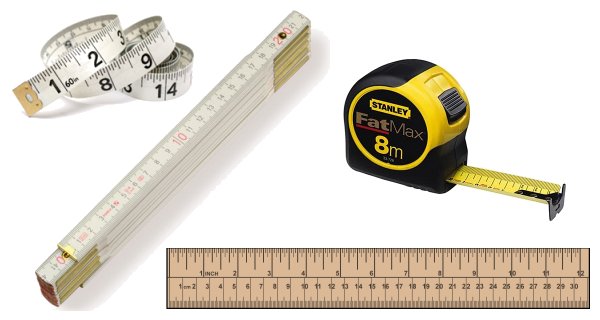
- A flexible measuring tape: A fabric or vinyl tape measure is ideal as it contours to your body. Avoid rigid metal tapes.
- A mirror: This helps you see what you’re doing and ensure the tape is placed correctly.
- A helper (optional but recommended): Having someone assist can make it easier to get accurate readings, especially for back measurements.
- A pen and paper or a smartphone: To jot down your measurements as you take them.
How to Measure Men’s Clothing Size: The Definitive Guide
Let’s break down the key measurements you’ll need for various types of men’s clothing. Remember to stand naturally, not too stiffly, and keep the tape measure snug but not tight against your skin.
H3: Chest Measurement: The Foundation of Fit
The chest measurement is arguably the most critical for shirts, jackets, and coats. It determines how the garment will fit around your torso.
H4: How to Measure Your Chest
- Stand tall: With your arms relaxed at your sides, stand straight.
- Wrap the tape: Bring the measuring tape around the fullest part of your chest. This is usually across your nipples and shoulder blades.
- Keep it level: Ensure the tape measure is parallel to the floor all the way around.
- Don’t pull too tight: The tape should be snug enough to register your size but not so tight that it digs into your skin or compresses your chest.
- Read the measurement: Note the number where the tape overlaps.
Pro Tip: If you’re between sizes, consider the fabric and intended fit. A Pinterest 90s anime girl aesthetic icons unleash your inner nostalgia tailored shirt might require you to lean towards the smaller size, while a relaxed-fit sweater might accommodate the larger one.
H3: Waist Measurement: Comfort and Silhouette
Your waist measurement is crucial for trousers, jeans, Mens boots winter fashion guide conquer the cold in style shorts, and even some suit jackets. It defines the fit around your midsection.
H4: How to Measure Your Waist
- Find your natural waistline: This is typically the narrowest part of your torso, usually just above your belly button. Bend to one side; the crease that forms is your natural waist.
- Wrap the tape: Place the tape measure around your natural waistline.
- Keep it level: Ensure the tape is parallel to the floor.
- Relax and breathe: Don’t suck in your stomach. Breathe normally and let the tape rest comfortably.
- Read the measurement: Note the number where the tape overlaps.
Important Note: Many people confuse their waist size with their pant size. Pant sizes often refer to the actual waistband measurement of the garment, which can sometimes be slightly larger than your natural waist for comfort. Always check the brand’s specific sizing chart.
H3: Hip Measurement: The Key to Trousers and Shorts
The hip measurement is vital for the fit of trousers, jeans, shorts, and skirts (though less common for men’s fashion, it’s good to know!). It ensures the garment sits comfortably and moves with you.
H4: How to Measure Your Hips
- Stand with feet together: Stand with your feet close together, as you would when trying on pants.
- Wrap the tape: Measure around the fullest part of your hips and buttocks. This is usually about 7-8 inches below your natural waist.
- Keep it level: Ensure the tape is parallel to the floor.
- Read the measurement: Note the number where the tape overlaps.
H3: Inseam Measurement: The Perfect Trouser Length
The inseam determines how long your trousers or jeans will be, preventing them from being too short or bunching around your ankles.
H4: How to Measure Your Inseam
- Take it from a pair of well-fitting pants: The easiest way to measure your inseam is to lay a pair of your best-fitting trousers flat on a surface.
- Smooth them out: Ensure there are no wrinkles, especially in the crotch area.
- Measure from the crotch seam: Place the end of the tape measure at the very bottom of the crotch seam (where the legs join).
- Measure down to the hem: Extend the tape measure straight down the inside of the leg to the bottom hem.
- Read the measurement: This is your inseam measurement.
Alternative Method (with a helper):
- Stand tall: With your shoes on (as you’d normally wear your trousers), have someone place the end of the tape measure at your crotch.
- Measure down the inside of your leg: Have them run the tape measure down the inside of your leg to where you want the hem of your trousers to fall.
H3: Sleeve Length: The Mark of a Well-Tailored Jacket or Shirt
Proper sleeve length is a hallmark of a well-fitting garment, especially for shirts and jackets. Too short looks unfinished, and too long can look sloppy.
H4: How to Measure Sleeve Length
- Measure from the center of your neck: Have a helper place the end of the tape measure at the center of your neck (at the base of your collarbone).
- Measure over your shoulder: Drape the tape measure over your shoulder, down your arm, and to your wrist bone. Keep your arm relaxed and slightly bent.
- Read the measurement: Note the number where your wrist bone is.
Alternative Method (from a garment):
- Lay a well-fitting shirt flat: Place a shirt that fits you well flat on a surface.
- Measure from the center back: Measure from the center back of the collar (where it meets the fabric) across your shoulder and down to the cuff of the sleeve.
H3: Shoulder Width: The Frame of Your Upper Body
Shoulder width dictates how a shirt or jacket sits on your frame. Properly measured shoulders ensure the garment doesn’t pull or feel too tight across your back.
H4: How to Measure Your Shoulder Width
- Find your shoulder points: Locate the bony points at the very top of your shoulders, where your arm connects to your shoulder.
- Measure across the back: Have a helper measure from the tip of one shoulder point straight across your back to the tip of the other shoulder point.
- Keep the tape level: Ensure the tape measure is parallel to the floor.
- Read the measurement: Note the number.
H3: Neck Measurement: Crucial for Collared Shirts
A snug yet comfortable neck measurement is essential for collared shirts to avoid that restrictive feeling or a gaping collar.
H4: How to Measure Your Neck
- Wrap the tape: Place the tape measure around the base of your neck, where a collar would naturally sit.
- Add a finger’s width: For comfort, add about one finger’s width to the measurement. This accounts for the space needed when buttoning up your shirt.
- Keep it level: Ensure the tape is parallel to your neck.
- Read the measurement: Note the number.
Navigating Size Charts: Your Best Friend
Once you have your accurate measurements, the next step is to consult the brand’s specific size chart. This is where the magic happens!
- Always check the brand’s chart: Sizing can vary significantly between brands. Don’t assume your size in one brand will be the same in another.
- Look for "body measurements" vs. "garment measurements": Some charts provide measurements for your body, while others list the actual dimensions of the garment. Understand which you’re looking at.
- Consider the intended fit: Is the garment designed to be slim-fit, regular-fit, or relaxed-fit? This will influence whether you should lean towards the smaller or larger end of a size range.
- Read reviews: Customer reviews can often provide invaluable insights into how a particular garment fits and whether it runs true to size.
Tips for Measuring for Specific Garments
While the fundamental measurements remain the same, here are some extra tips for common menswear items:
H4: Shirts (Dress Shirts, Casual Shirts, T-shirts)
- Chest is paramount: This dictates the overall fit.
- Neck size is key for dress shirts: Ensures comfort when buttoned.
- Sleeve length: Crucial for a polished look.
- Consider your preferred fit: Slim, regular, or relaxed.
H4: Trousers and Jeans
- Waist and Hip: These are your primary guides for fit.
- Inseam: Essential for determining the correct length.
- Rise: This refers to the distance from the crotch seam to the top of the waistband. It affects how high or low the pants sit on your waist. While not always explicitly listed, understanding if you prefer a low-rise, mid-rise, or high-rise can help you choose the right style.
H4: Jackets and Coats
- Chest: The most important measurement for a comfortable fit.
- Shoulder width: Ensures the jacket sits correctly on your frame.
- Sleeve length: Important for a polished appearance.
- Consider layering: If you plan to wear thick sweaters underneath, you might want to size up slightly or opt for a relaxed fit.
H4: Suits and Blazers
- Chest, Shoulder Width, and Sleeve Length: These are critical for the jacket.
- Waist: Important for the trousers or skirt of the suit.
- Inseam: For the trousers.
- Drop: In suit terminology, "drop" refers to the difference between the chest size and the waist size of the trousers. A standard drop is 6 inches (e.g., a 40-inch chest suit will come with 34-inch waist trousers). Knowing your body’s natural drop can help you find a suit that requires less tailoring.
Common Measurement Mistakes to Avoid
- Measuring over bulky clothing: Always measure in your underwear or a thin layer of clothing.
- Pulling the tape too tight: This will result in an inaccurate, smaller measurement.
- Not keeping the tape level: This can distort the measurements.
- Guessing or relying on old measurements: Bodies change, and brands vary. Always measure.
- Confusing waist size with pant size: Understand the difference as outlined earlier.
Embracing Your Unique Shape
Remember, everyone’s body is unique. Instead of trying to fit into a "standard" size, focus on understanding your measurements and finding brands that cater to your shape. Many brands now offer extended sizes, different fits, and even custom tailoring options. Mastering how to measure men’s clothing size empowers you to make informed choices that celebrate your individuality.
Conclusion: Style is in the Fit!
Understanding how to measure men’s clothing size is a simple yet incredibly effective way to elevate your style and boost your confidence. It’s about more than just fitting into clothes; it’s about wearing them with pride and comfort. So, grab your tape measure, embrace the festive spirit of looking your best, and unlock the secret to a wardrobe that fits you perfectly, every single time. Happy measuring, and happy styling!
Frequently Asked Questions (FAQ)
Q1: How often should I measure myself for clothing?
A1: It’s a good idea to measure yourself at least once a year, or whenever you notice significant changes in your body weight or composition. For specific items like suits, re-measuring before a significant purchase is wise.
Q2: What if my measurements don’t match any standard size?
A2: This is common! Look for brands that offer a wider range of sizes, different fits (slim, regular, relaxed), or consider brands that offer custom tailoring. Reading reviews for specific garments can also help you understand how they run.
Q3: Do I need a helper to measure?
A3: While not strictly necessary, a helper can make it much easier and more accurate, especially for measurements like shoulder width and sleeve length. If you’re measuring alone, use a mirror and be patient.
Q4: How do I measure for activewear or athletic clothing?
A4: For activewear, it’s often recommended to measure with minimal clothing on. Focus on chest, waist, and hip measurements, and check the brand’s specific sizing for stretch and intended fit (e.g., compression fit vs. relaxed fit).
Q5: What is the "rise" of a pair of pants?
A5: The rise is the measurement from the crotch seam to the top of the waistband. It determines how high or low the pants sit on your waist. Understanding your preferred rise can help you choose the right style of trousers or jeans.