Unlock the Secret to Perfect-Fitting Men’s Clothes: Your Ultimate Measurement Guide
Finding clothes that fit impeccably can feel like a quest for buried treasure, especially when shopping online or navigating the world of men’s fashion. But what if we told you the secret to effortless style and confidence isn’t about luck, but about precision? Mastering how to measure for men’s clothing is your golden ticket to garments that flatter your physique, feel comfortable, and elevate your overall look. Forget ill-fitting shirts that billow or trousers that pinch – with this comprehensive guide, you’ll become your own expert tailor, ensuring every purchase is a winning one.
This isn’t just about avoiding the dreaded return process; it’s about investing in yourself. When your clothes fit well, you feel good. You stand taller, project more confidence, and exude an aura of polished sophistication. Whether you’re a seasoned sartorialist or just starting to build your wardrobe, understanding your measurements is the foundational step towards achieving that perfect fit. Let’s dive into the essential measurements every man needs to know and how to take them accurately.
The Foundation of Fit: Essential Measurements for Every Garment
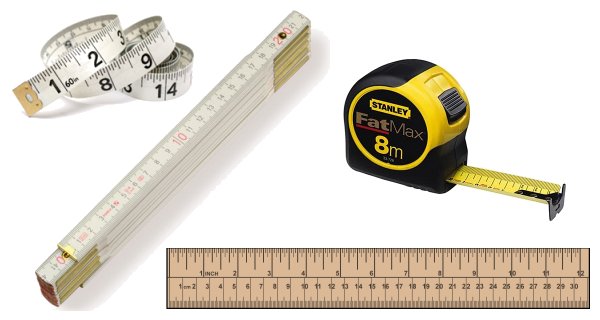
Before we embark on our measurement journey, gather a few essential tools: a soft, flexible measuring tape (the kind used for sewing is ideal), a partner to assist with certain measurements if possible (though many can be done solo), and a mirror to check your posture. Remember to stand naturally, relaxed, and with good posture – avoid sucking in your stomach or puffing out your chest, as this will lead to inaccurate readings.
Chest: The King of Measurements
Your chest measurement is arguably the most crucial for tops like shirts, jackets, and sweaters. It determines how snugly or loosely a garment will sit around your torso.
How to Measure Your Chest
- Locate the Widest Point: Wrap the measuring tape around the fullest part of your chest, typically across your nipples.
- Keep it Level: Ensure the tape measure is parallel to the floor and doesn’t dip down in the back.
- Snug, Not Tight: The tape should be snug against your body but not constricting. You should be able to slip one finger between the tape and your chest.
- Read the Measurement: Note the measurement in inches or centimeters, depending on the sizing chart you’re using.
Pro Tip: If you’re measuring yourself, extend your arms slightly away from your body to get a clearer reading. For jackets and blazers, you might want to measure over the clothing you typically wear underneath, such as a shirt or thin sweater.
Waist: Defining Your Silhouette
Your waist measurement is key for trousers, jeans, shorts, and even the cinched areas of some shirts and jackets. It dictates where a garment will sit comfortably around your midsection.
How to Measure Your Waist
- Find Your Natural Waistline: This is typically the narrowest part of your torso, usually just above your belly button. Bend to the side; the crease that forms is your natural waist.
- Wrap the Tape: Place the measuring tape around your natural waistline.
- Maintain a Relaxed Stance: Stand straight with your abdominal muscles relaxed. Avoid holding your breath or sucking in.
- Gentle Fit: The tape should be snug but comfortable, allowing you to fit a finger or two underneath.
- Record the Measurement: Write down the measurement.
Important Note: Many people confuse their waist measurement with their pant size. Pant sizes often refer to the actual measurement of the waistband of the garment, which can sometimes be slightly larger than your natural waist for comfort. Always check the brand’s specific sizing chart.
Inseam: The Measure of Your Legs
The inseam Fashion store games free unleash your inner stylist today is the length of the inside of your leg, from the crotch to the hem of your trousers. This measurement is critical for getting your pants to the correct length, avoiding bunching at the ankle or an unflattering flood.
How to Measure Your Inseam
- With Assistance (Recommended): Have a friend hold the end of the measuring tape at your crotch, where your legs meet your torso. Let the tape hang straight down to the desired length for your pants.
- Solo Method: Wear a pair of well-fitting pants. Measure from the crotch seam down to the hem of the pant leg.
- Alternative Solo Method: Stand against a wall with your shoes on. Place a book between your legs, simulating the crotch of your pants, and push it up firmly. Mark the top of the book on the wall. Measure from the floor to your mark. This gives you your full leg length. Subtract your desired rise (the distance from your waist to your crotch) to estimate your inseam.
- Consider Shoe Height: Think about the type of shoes you’ll most often wear with these pants. A slightly longer inseam might be necessary for boots, while a shorter one works well for sneakers.
- Record the Measurement: Note the inseam length.
Tip: If you’re unsure, it’s often better to err on the side of slightly longer. You can always have trousers hemmed by a tailor, but you can’t add fabric.
Sleeve Length: The Mark of a Well-Tailored Sleeve
A correctly measured sleeve length ensures the cuff hits at the right spot on your wrist, typically just at the base of your thumb. This measurement is vital for shirts, jackets, and blazers.
How to Measure Your Sleeve Length
- Shoulder Bone to Wrist Bone: With your arm relaxed and slightly bent, start the tape measure at the top of your shoulder bone (the acromion).
- Follow the Curve: Measure down your arm, following the natural curve of your shoulder and elbow, to the point where you want the sleeve to end. This is usually at your wrist bone, where your hand meets your arm.
- With Assistance: Have a partner measure from your shoulder bone to your wrist bone.
- Solo Method: Stand with your arm relaxed and slightly bent. Place the end of the tape measure at your shoulder bone. Guide the tape measure down the outside of your arm to your wrist bone.
- Record the Measurement: Note the sleeve length.
For Jackets and Blazers: Sleeve length is often measured from the shoulder seam to the cuff. The measurement might be slightly different than for a shirt. Always refer to the specific garment’s sizing guide.
Neck: The Comfort Factor for Collared Shirts
A comfortable neck measurement is essential for collared shirts. Too tight and it’s constricting; too loose and the collar looks sloppy.
How to Measure Your Neck
- Locate Your Adam’s Apple: Find the prominent part of your neck, your Adam’s apple.
- Wrap the Tape: Place the measuring tape around your neck, just below your Adam’s apple.
- Add a Finger: Ensure the tape is snug but comfortable. You should be able to comfortably slide one finger between the tape and your neck.
- Record the Measurement: Note the neck circumference.
Important: Men’s dress shirts are often sized by neck size and sleeve length (e.g., 15.5" neck, 32/33" sleeve).
Beyond the Basics: Specialized Measurements for Specific Garments
While the core measurements cover most of your wardrobe needs, certain garments benefit from additional precision.
Rise: The Comfort of Your Trousers
The rise is the distance from the crotch seam to the top of the waistband on your trousers. It significantly impacts how high or low a pair of pants sits on your waist.
Understanding Rise
- Low Rise: Sits well below the natural waist.
- Mid Rise: Sits at or just below the natural waist.
- High Rise: Sits at or above the natural waist.
How to Measure Rise
This measurement is often best taken from a pair of well-fitting trousers you already own.
- Lay Flat: Lay the trousers flat on a surface.
- Measure Crotch to Waistband: Measure from the crotch seam straight up to the top of the waistband.
Alternatively, for a new purchase: You can estimate by knowing your preferred rise style and comparing it to the garment’s description. Online retailers often provide rise measurements for their trousers.
Shoulder Width: The Frame of Your Upper Body
Shoulder width is crucial for ensuring jackets, blazers, and even shirts fit correctly across your shoulders. A too-wide or too-narrow shoulder can throw off the entire balance of a garment.
How to Measure Shoulder Width
- From Shoulder Bone to Shoulder Bone: With your arms relaxed at your sides, measure in a straight line from the outer edge of one shoulder bone to the outer edge of the other.
- With Assistance: Have a partner measure this distance.
- Solo Check: You can also check this by looking in a mirror. The shoulder seam of a well-fitting jacket or shirt should align with the point of your shoulder.
Hip Measurement: For a Flattering Fit
While not as frequently used for men’s standard sizing as chest or waist, the hip measurement is important for trousers, shorts, and more tailored items, ensuring they aren’t too tight or too loose around your hips and seat.
How to Measure Your Hips
- Locate the Widest Point: Stand with your feet together and measure around the fullest part of your hips and buttocks.
- Keep the Tape Level: Ensure the tape measure is parallel to the floor.
- Record the Measurement: Note the measurement.
Navigating Sizing Charts and Brand Variations
Once you Winter fashion men a dazzling fusion of comfort bold statements have your accurate measurements, the next step is to interpret them using sizing charts. However, it’s crucial to understand that sizing is not universal.
- Brand Differences: Each brand has its own unique sizing standards. A "Medium" in one brand might be equivalent to a "Large" in another. This is where your measurements become your indispensable guide.
- Country Variations: Sizing can also differ significantly between countries. Be mindful of whether you’re looking at US, UK, European, or Asian sizing.
- Garment Type: The intended fit of a garment also influences sizing. A slim-fit shirt will have different measurements than a regular-fit shirt, even within the same brand.
- Fabric Stretch: Consider the fabric composition. A garment made with a high percentage of stretch material might offer more flexibility than one made from 100% cotton.
Always, always, always refer to the specific brand’s sizing chart provided on their website or product page. Don’t assume your usual size will translate across different labels.
Common Pitfalls to Avoid When Measuring
Even with the best intentions, there are a few common mistakes that can lead to inaccurate measurements:
- Measuring Over Bulky Clothing: Unless you’re measuring for outerwear that you’ll wear over thick layers, measure directly against your skin or over lightweight undergarments.
- Pulling the Tape Too Tight: This will result in a smaller measurement and potentially ill-fitting clothes.
- Not Standing Naturally: Slouching or sucking in your stomach will skew your measurements.
- Forgetting to Measure Your Inseam Correctly: This is a frequent culprit for pants that are too long or too short.
- Ignoring the Sizing Chart: Relying solely on your perceived size is a recipe for disappointment.
Embracing Your Measurements for Effortless Style
Understanding how to measure for men’s clothing is a fundamental skill that empowers you to make informed purchasing decisions. It’s about investing in pieces that fit your body, enhance your natural shape, and make you feel confident and comfortable.
Think of it as a gift to yourself – a way to elevate your personal style with precision and ease. No more guesswork, no more frustration with returns. Just the satisfaction of knowing that the clothes you wear are a perfect reflection of you. So, grab your tape measure, embrace the process, and unlock the secret to a wardrobe that fits flawlessly, every single time.
Frequently Asked Questions (FAQ) about Measuring for Men’s Clothing
Q1: How often should I measure myself for clothes?
A1: It’s a good idea to re-measure yourself at least once a year, or if you notice significant changes in your body weight or composition. Your body can change, and so can your ideal fit.
Q2: Can I measure myself accurately without a partner?
A2: Yes, most measurements can be taken accurately on your own, although having a partner can make certain measurements like shoulder width and inseam slightly easier.
Q3: What is the difference between waist and hip measurement?
A3: Your waist is the narrowest part of your torso, usually above your belly button. Your hips are the widest part of your lower body, typically around your buttocks.
Q4: How do I know if my shirt sleeve length is correct?
A4: A well-fitting shirt sleeve should end at your wrist bone, and typically about half an inch to an inch of your shirt cuff should show below the cuff of your jacket or blazer.
Q5: Why do different brands have different sizing?
A5: Sizing standards are not universally regulated. Brands set their own specifications based on their target demographic, design aesthetic, and manufacturing processes. Always consult individual brand sizing charts.