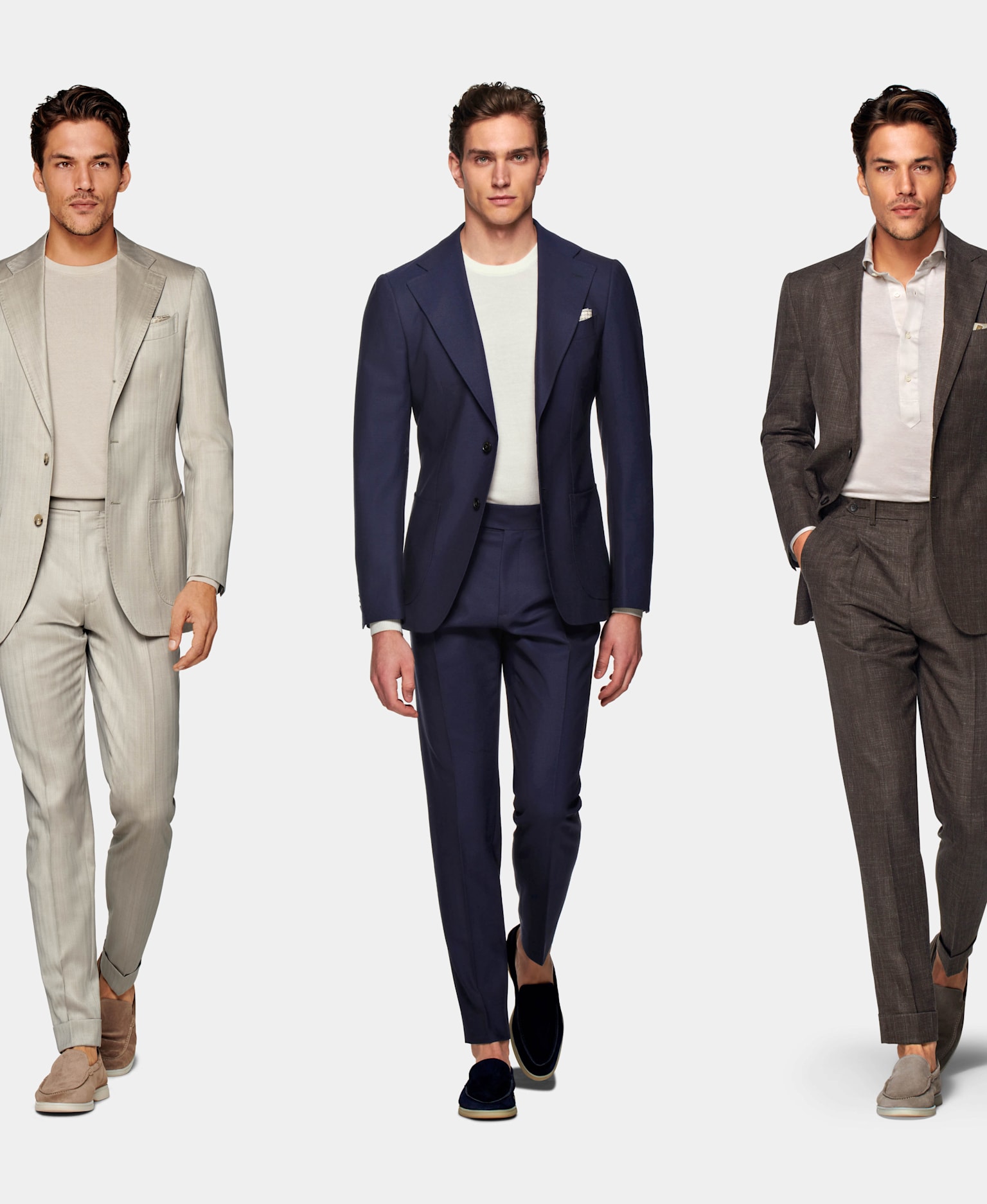
Finding clothes that fit well can be a festive occasion in itself, especially for taller men. The struggle is real: sleeves that are too short, trousers that creep up your ankles, and shirts that resemble Mirdif city centre map your ultimate guide to unforgettable shopping fun crop tops. But fear not! Navigating the world of men’s tall clothing is about to become a joyful adventure. This comprehensive guide to the men’s tall clothing size chart is your ultimate companion to unlocking a world of impeccable style and comfortable fits, no matter your height.
The frustration of ill-fitting clothes can cast a shadow over any outfit. However, with the right knowledge and the trusty men’s tall clothing size chart, you can transform your shopping experience from a chore into a celebration of your unique physique. Let’s dive deep into how to understand and utilize these essential charts to ensure every garment drapes perfectly, making you feel confident and looking your absolute best.
Understanding the Nuances of Tall Sizing
Before we delve into specific measurements, it’s crucial to understand what "tall" actually means in the context of men’s clothing. Generally, tall sizes are designed for men who are significantly taller than the average. This often translates to longer torso lengths, longer sleeve lengths, and longer inseams compared to regular sizes. The width of the garment might remain similar to a standard size, or it might be proportionally adjusted, depending on the brand.
Why a Standard Size Chart Isn’t Enough
A standard men’s clothing size chart is typically based on average body proportions. For taller individuals, relying solely on these charts can lead to:
- The dreaded "high-water" look: Trousers that are too short are a common lament.
- Exposed wrists: Sleeves that barely reach the wrist bone can feel awkward and unfinished.
- Tummy-baring shirts: When bending or reaching, a shirt that’s too short can leave you feeling exposed.
- Disproportionate fits: Even if the width is correct, the length can make a garment look ill-fitting and unflattering.
This is where the men’s tall clothing size chart becomes your superhero. It’s meticulously crafted to address these specific length concerns, ensuring that the proportions of the garment are adapted to a taller frame.
Decoding the Men’s Tall Clothing Size Chart: Key Measurements Explained
The foundation of finding your perfect tall size lies in understanding the key measurements that differentiate tall clothing from regular sizes. While charts may vary slightly between brands, the core principles remain the same.
H3: Inseam: The Length of Your Legs
The inseam is the measurement from the crotch of your trousers to the hem. For taller men, this measurement is paramount.
H4: How to Measure Your Inseam
- Stand tall: Wear shoes that you typically wear with trousers.
- Get help (optional but recommended): Have someone else measure for accuracy.
- Locate the crotch: Find the point where the front and back seams of your trousers meet.
- Measure down: Measure straight down the inside of your leg to the desired hem length. For a classic fit, aim for the break of your shoe; for a more modern look, you might prefer it slightly shorter.
- Record the measurement: Note this measurement in inches or centimeters.
When consulting a men’s tall clothing size chart, you’ll find inseam lengths that are typically 1-3 inches longer than standard sizes for the same waist measurement.
H3: Sleeve Length: From Shoulder to Cuff
Sleeve length is another critical dimension for taller men. A sleeve that’s too short can make even the most expensive jacket look ill-fitting.
H4: How to Measure Your Sleeve Length
- Relax your arm: Let your arm hang naturally by your side.
- Find the shoulder point: Locate the bone at the top of your shoulder.
- Measure to the wrist: Measure from the shoulder point down the outside of your arm to your wrist bone. Some prefer the measurement to extend slightly past the wrist bone for a more generous cuff.
- Record the measurement: Jot down this measurement.
Tall sizes will offer extended sleeve lengths to accommodate longer arms. Always check the men’s tall clothing size chart for the specific brand’s sleeve length recommendations.
H3: Torso Length: The Foundation of Your Fit
The torso length affects how a shirt or jacket sits on your body. For taller individuals, a standard torso length can result in shirts that are too short or jackets that don’t cover your backside adequately.
H4: How to Measure Your Torso Length
- Stand straight: Imagine a line from the back of your neck to your natural waist.
- Measure from the back of the neck: Start at the base of your neck, where your shirt collar typically sits.
- Measure down to the waist: Continue measuring down your back to your natural waistline (the narrowest part of your torso).
- Record the measurement: Note this measurement.
When looking at a men’s tall clothing size chart, you’ll see that tall sizes often have a longer torso to ensure shirts and jackets fall at the appropriate length.
H3: Chest and Waist: The Standard Measurements
While length is the primary differentiator for tall sizes, chest and waist measurements remain crucial for a proper overall fit.
H4: How to Measure Your Chest
- Wrap the tape measure: Place a tape measure around the fullest part of your chest, under your armpits.
- Keep it snug but not tight: Ensure the tape measure is parallel to the floor and not constricting.
- Record the measurement: Note this figure.
H4: How to Measure Your Waist
- Find your natural waist: This is usually the narrowest part of your torso, often above your belly button.
- Wrap the tape measure: Place the tape measure around your waist.
- Don’t suck in! Measure where you naturally hold your waist.
- Record the measurement: Note this figure.
These measurements will help you select the correct width of the garment, ensuring it fits comfortably without being too baggy or too tight. Always cross-reference these with the men’s tall clothing size chart provided by the brand.
Navigating Different Types of Tall Clothing
The men’s tall clothing size chart isn’t a one-size-fits-all solution across all garment types. Different clothing items have specific considerations for tall men.
H3: Tall Trousers and Jeans
For trousers and jeans, the inseam is king. However, also pay attention to the rise (the distance from the crotch to the waistband). Some tall sizes might also offer a slightly higher rise to accommodate a longer torso.
- Consider the break: Do you prefer your trousers to have a slight break over your shoes, a half break, or no break at all? This will influence the ideal inseam length.
- Waist fit: Ensure your waist measurement aligns with the chart for a comfortable fit without gapping at the back.
H3: Tall Shirts and T-Shirts
For shirts, torso length and sleeve length are paramount.
- T-shirts: Look for tall sizes that offer extended body lengths so they don’t ride up when you move.
- Dress shirts: Pay close attention to both sleeve length and overall body length. A well-fitting dress shirt should reach your hip bone and have cuffs that extend about half an inch beyond your wrist bone.
H3: Tall Jackets and Outerwear
Jackets and coats are investments, and a perfect fit is essential for both style and warmth.
- Sleeve length: This is critical for outerwear. You want your sleeves to cover your shirt cuffs comfortably.
- Body length: A tall jacket should provide adequate coverage for your torso and posterior.
- Shoulder fit: Ensure the shoulder seams sit precisely at your natural shoulder points.
H3: Tall Suits and Formalwear
When it comes to suits, precision is key. A well-tailored suit can make a world of difference.
- Consult a tailor: Even with a men’s tall clothing size chart, formalwear often benefits from professional tailoring to achieve a flawless fit.
- Jacket length: Ensure the jacket covers your seat.
- Trouser break: Aim for the desired trouser break to complement your footwear.
Tips for Using the Men’s Tall Clothing Size Chart Effectively
Armed with your measurements and an understanding of what the chart represents, here are some tips for making your shopping experience a resounding success.
H3: Always Refer to the Brand’s Specific Chart
This is the golden rule! While there are general guidelines, each brand will have its own unique men’s tall clothing size chart. Sizing can vary significantly between manufacturers, so never assume. Always locate and consult the specific chart for the brand you are shopping from.
H3: Measure Yourself Regularly
Our bodies can change. It’s a good practice to measure yourself every six months to a year, especially if you’re actively trying to find new clothes. This ensures your measurements are up-to-date when you consult the men’s tall clothing size chart.
H3: Understand the Difference Between "Tall" and "Long"
Some brands might use "long" as a descriptor for taller sizes. While often interchangeable, it’s worth noting that "tall" is more commonly used for specific tall sizing ranges.
H3: Read Product Descriptions Carefully
Beyond the size chart, product descriptions often provide valuable information about the fit of a garment. Look for terms like "relaxed fit," "slim fit," or "designed for taller frames."
H3: Don’t Be Afraid to Ask for Help
If you’re shopping in-store, a knowledgeable sales associate can be an invaluable resource. If you’re shopping online, most websites have a customer service or sizing help section.
H3: Consider Your Personal Style Preferences
While the men’s tall clothing size chart guides you to the correct measurements, your personal style dictates the final look. Do you prefer a more tailored fit or a relaxed silhouette? This might influence whether you size up or down within a size range.
Embracing the Festive Spirit of Finding Your Perfect Fit
Finding clothes that fit exceptionally well is a cause for celebration! It boosts confidence, enhances your style, and makes you feel ready to take on any occasion. The journey to mastering the men’s tall clothing size chart is an empowering one. It equips you with the knowledge to make informed decisions, saving you time, money, and the frustration of ill-fitting garments.
As you navigate the exciting world of fashion, remember that your height is a unique asset. By understanding and utilizing the men’s tall clothing size chart, you can ensure that every piece you wear accentuates your frame and reflects your personal style. So go forth, measure with confidence, and embrace the joy of finding garments that fit you like they were made for you – because with the right approach, they truly can be!
Frequently Asked Questions About Men’s Tall Clothing Size Charts
Q1: What is the primary difference between a regular and a tall size for men’s clothing?
A1: The primary difference lies in the length. Tall sizes are specifically designed with extended inseams, sleeve lengths, and torso lengths to accommodate men who are taller than average.
Q2: Where can I find a men’s tall clothing size chart?
A2: You can typically find a men’s tall clothing size chart on the brand’s official website, within the product description of individual items, or on the retailer’s website where the clothing is sold.
Q3: How do I know if I need a tall size?
A3: If you consistently find that regular-sized clothing has sleeves that are too short, trousers that are too short (high-waters), or shirts that ride up when you move, you likely need to explore tall sizes.
Q4: Do all brands offer tall sizes?
A4: No, not all brands offer dedicated tall sizes. However, many major apparel brands that cater to men do offer Fashion boutique shopify dropshipping unlocking your dream wardrobe business tall options, especially for items like jeans, shirts, and outerwear.
Q5: Can I use my regular size measurements with a tall size chart?
A5: While your standard chest and waist measurements will be used, you must refer to the men’s tall clothing size chart specifically for the tall sizing to ensure you select the correct length for inseam, sleeves, and torso.
Q6: What if I’m in between sizes on the tall size chart?
A6: If you’re between sizes, consider the fit preference. If you prefer a looser fit, size up. If you prefer a more tailored look, size down. Reading product descriptions for fit notes can also be helpful.
Q7: Does a tall size affect the width of the garment?
A7: Generally, the width of a tall size garment is similar to its regular counterpart, with the primary adjustment being in the length. However, some brands may offer proportionally wider tall sizes for broader frames. Always check the specific brand’s sizing information.