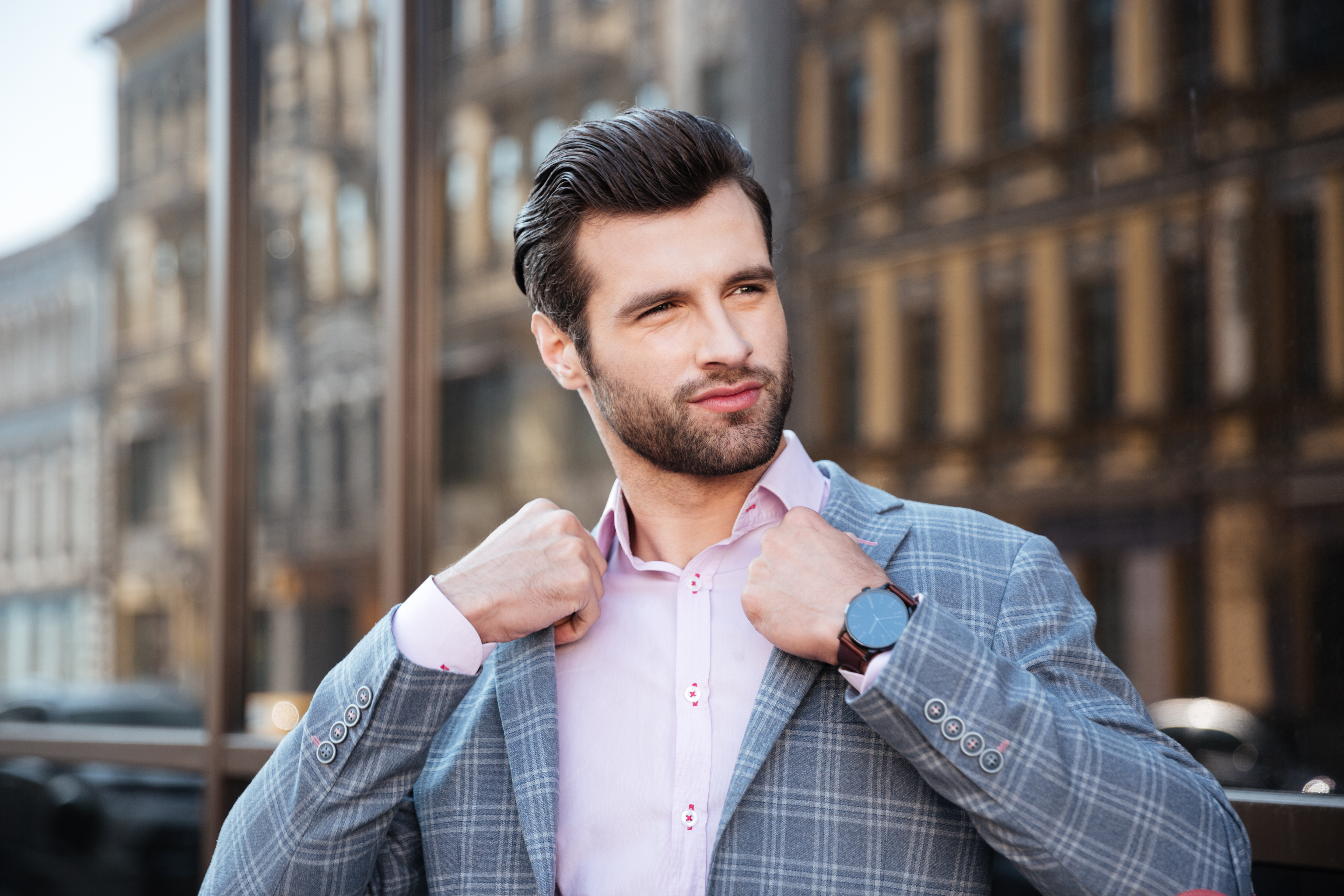
Finding the perfect fit is an exhilarating feeling, especially when it comes to men’s clothing. A well-fitting garment not only looks incredible but also boosts your confidence and comfort, making every occasion, from a festive holiday gathering to a casual weekend outing, an absolute joy. However, navigating the labyrinth of sizing can sometimes feel like a daunting task. This comprehensive guide to the men’s size clothing chart is designed to equip you with the knowledge and confidence to conquer your wardrobe and ensure every purchase is a triumph!
Understanding the Crucial Role of the Men’s Size Clothing Chart
The men’s size clothing chart is your indispensable roadmap to sartorial success. It’s more than just a grid of numbers; it’s a tool that bridges the gap between your unique measurements and the standardized sizing adopted by brands worldwide. Without a thorough understanding of these charts, you risk frustrating shopping experiences, ill-fitting clothes that detract from your appearance, and ultimately, wasted money. Whether you’re shopping online for that perfect holiday sweater or in-store for a sharp new suit, consulting a reliable men’s size clothing chart is the foundational step to ensuring your garments drape perfectly, flatter your physique, and feel as good as they look.
Why Accurate Measurements Are Your Secret Weapon
Before diving into the specifics of a men’s size clothing chart, it’s paramount to emphasize the importance of accurate measurements. Think of it as the secret weapon in your quest for the ideal fit. Generic sizing can vary significantly between brands, and even within the same brand, different styles might fit differently. Taking the time to measure yourself correctly will drastically reduce the guesswork and increase the likelihood of a perfect fit with every purchase.
Key Body Measurements for Men’s Apparel
To effectively utilize any men’s size clothing chart, you’ll need to gather a few key measurements. Grab a soft measuring tape, stand in front of a mirror (or enlist a helpful friend!), and follow these guidelines:
- Chest: Measure around the fullest part of your chest, keeping the tape measure parallel to the floor. Ensure it’s snug but not constricting. This measurement is crucial for shirts, jackets, and suits.
- Waist: Measure around your natural waistline, which is typically the narrowest part of your torso, usually just above your belly button. Again, keep the tape parallel and snug. This is vital for trousers, jeans, and shorts.
- Hips: Measure around the fullest part of your hips and buttocks, with your feet together. This measurement is important for trousers, jeans, and shorts, ensuring a comfortable fit around the lower body.
- Inseam: This is the length from the crotch of your trousers down to the desired hemline on the inside of your leg. It’s best to measure a pair of well-fitting trousers you already own. This is a critical measurement for all legwear.
- Sleeve Length: With your arm relaxed at your side, measure from the center of your neck (at the base of your collarbone) down to your wrist bone. For shirts and jackets, this ensures the sleeves are neither too short nor too long.
- Neck: Measure around the base of your neck, where a collar would typically sit. This is particularly important for dress shirts.
- Shoulder Width: Measure from the tip of one shoulder to the tip of the other, across the back. This ensures a good fit across the shoulders for shirts and jackets.
- Outseam: This is the length from your natural waistline down to where you want the hem of your trousers to fall.
Pro-Tip: Always measure over lightweight clothing, or bare skin, to ensure accuracy. Avoid pulling the tape too tight or leaving it too loose.
Decoding the Men’s Size Clothing Chart: A Comprehensive Breakdown
Now that you have your measurements, it’s time to translate them into the language of the men’s size clothing chart. Remember, these charts are typically divided by garment type, as sizing conventions can differ significantly.
T-shirts and Casual Shirts
For casual tops like t-shirts and button-down shirts, the chest measurement is usually the primary determinant.
- Understanding Sizing: You’ll commonly see sizes like S, M, L, XL, XXL, etc., corresponding to numerical ranges for chest circumference.
- Fit Preferences: Consider your preferred fit. Do you like a relaxed, comfortable feel, or a more tailored, slim fit? This might lead you to size up or down slightly within the suggested range.
- Brand Variations: Always check the specific brand’s men’s size clothing chart as it can vary. Some brands offer ‘slim fit’ or ‘athletic fit’ options that will have different measurements even within the same size designation.
Dress Shirts and Formal Wear
Dress shirts require more precise measurements due to their structured nature and the importance of collar fit.
- Neck Size: This is paramount for dress shirts. A properly fitting collar is essential for comfort and appearance.
- Chest and Waist: These measurements ensure the shirt drapes correctly without being too tight or too baggy.
- Sleeve Length: As mentioned earlier, this ensures the cuffs sit perfectly at the wrist.
- Collar Fit Test: A good rule of thumb for collar fit is to be able to slip one finger comfortably between the collar and your neck.
Trousers, Jeans, and Shorts
The Girls clothes set brand unforgettable style for every occasion men’s size clothing chart for legwear primarily relies on waist and inseam measurements.
- Waist: This is the most critical measurement for trousers and jeans. It dictates how comfortably they will sit around your waist.
- Inseam: This determines the length of the leg. It’s crucial for ensuring your trousers don’t drag on the ground or appear too short.
- Fit Styles: Pay attention to the fit descriptions (e.g., straight leg, slim fit, relaxed fit, bootcut). These styles can affect how the garment sits on your legs and hips, even if the waist and inseam measurements are the same.
- Rise: The "rise" refers to the distance from the crotch seam to the top of the waistband. This can vary between styles (low-rise, mid-rise, high-rise) and affects how the trousers sit on your body.
Outerwear: Jackets and Coats
When selecting outerwear, multiple measurements come into play to ensure both warmth and a flattering silhouette.
- Chest: This is essential for ensuring you can comfortably layer clothing underneath.
- Shoulder Width: A well-fitting shoulder is crucial for the overall drape of the jacket.
- Sleeve Length: As with shirts, this ensures proper coverage.
- Overall Length: Consider the desired length of the jacket or coat – whether it’s cropped, waist-length, or longer.
- Layering Considerations: If you plan to wear thick sweaters or blazers under your outerwear, you might consider sizing up slightly.
Suits and Blazers
The world of suits and blazers demands precision, and the men’s size clothing chart here is your best friend.
- Jacket Fit: Chest, shoulder width, sleeve length, and jacket length are all critical.
- Trouser Fit: Waist, inseam, and seat (hip measurement) are key.
- "Drop" Measurement: In suiting, you’ll often encounter the term "drop," which refers to the difference between the jacket chest size and the trouser waist size. A standard drop is 6 inches (e.g., a 40R jacket might come with a 34-inch waist trouser). This is designed for the average build, so understanding your own proportions is important.
- Tailoring: Remember that even with a perfect measurement, many suits and blazers benefit from minor tailoring for a truly bespoke fit.
Navigating International Sizing Conventions
The men’s size clothing chart can become even more complex when shopping internationally. Different regions use different sizing systems.
- US Sizing: Typically uses S, M, L, XL, and numerical sizes for waist and inseam.
- UK/Australia Sizing: Often uses numerical sizing for waist and inseam, and can differ slightly for tops.
- European Sizing: Frequently uses numerical sizing (e.g., 48, 50, 52) for tops and trousers, which corresponds to chest and waist measurements in centimeters.
- Asian Sizing: Can sometimes run smaller than Western sizes, so it’s particularly important to consult specific brand charts and consider sizing up.
Recommendation: Always look for a brand’s dedicated international size conversion chart. These are usually found on their website.
Common Pitfalls to Avoid When Using a Men’s Size Clothing Chart
Even with the best intentions, some common mistakes Womens fashion hats near me stores your ultimate guide to fabulous finds can lead to frustration.
- Assuming Consistency: Never assume that a size Medium from one brand will fit the same as a Medium from another.
- Ignoring Fabric Stretch: Some fabrics have more stretch than others. A stretch denim might allow for a slightly tighter fit than rigid denim.
- Forgetting About Shrinkage: Certain natural fibers, like cotton, can shrink when washed. Always check care labels and consider this when choosing your size.
- Not Reading Reviews: Online reviews can be invaluable for understanding how a particular garment fits and whether it runs true to size, small, or large.
- Over-Reliance on General Charts: While general men’s size clothing chart guides are helpful, always prioritize the specific brand’s sizing information.
Embracing the Festive Spirit of Shopping with Confidence!
The joy of shopping for new clothes, especially during festive seasons, should never be marred by uncertainty about fit. By understanding and diligently using the men’s size clothing chart, you transform from a hesitant shopper into a confident curator of your personal style. Imagine walking into your next holiday party or special occasion feeling impeccably dressed, knowing that every piece you’re wearing fits like a glove. This is the power of knowing your measurements and understanding the sizing guides.
Frequently Asked Questions About Men’s Size Clothing Charts
Q1: How do I know if a men’s size clothing chart is accurate?
A1: Look for charts provided directly by the brand you’re interested in. Reputable retailers will also offer detailed sizing information. Cross-referencing with customer reviews can also provide insights into a garment’s true fit.
Q2: My measurements fall between two sizes on the men’s size clothing chart. What should I do?
A2: Consider the garment’s style and fabric. For items with little to no stretch (like formal trousers), it’s often safer to size up. For items with stretch (like t-shirts or knitwear), you might be able to size down if you prefer a more fitted look. If in doubt, check product descriptions or customer reviews for guidance.
Q3: Do I need to measure myself every time I buy clothes?
A3: While your basic measurements might not change dramatically, it’s good practice to re-measure yourself periodically, especially if you’re trying a new brand or style. Weight fluctuations or changes in body composition can affect your fit.
Q4: What is the difference between regular, slim, and relaxed fit on a men’s size clothing chart?
A4: These terms describe the cut of the garment. Regular fit is standard. Slim fit is narrower through the body and sleeves. Relaxed fit is looser and more generous. Always check the specific measurements provided for each fit type on the men’s size clothing chart.
Q5: How do I account for different international sizing systems when using a men’s size clothing chart?
A5: Always consult the brand’s specific international size conversion chart. These are usually available on their website and will help you translate your local size to their system.
Conclusion: Your Style Journey Starts with the Right Fit!
Navigating the world of men’s fashion has never been easier with a solid understanding of the men’s size clothing chart. By embracing accurate measurements and consulting these vital guides, you unlock a world of perfectly fitting garments that enhance your confidence and elevate your style. So, the next time you’re shopping, remember this comprehensive guide, stand tall, and shop with the triumphant assurance that you’ve got this!
What are your biggest challenges when it comes to finding the right fit? Share your tips and experiences in the comments below – let’s celebrate our style journeys together!