Your Ultimate Japan Winter Packing List for Men: Embrace the Magic of the Season!
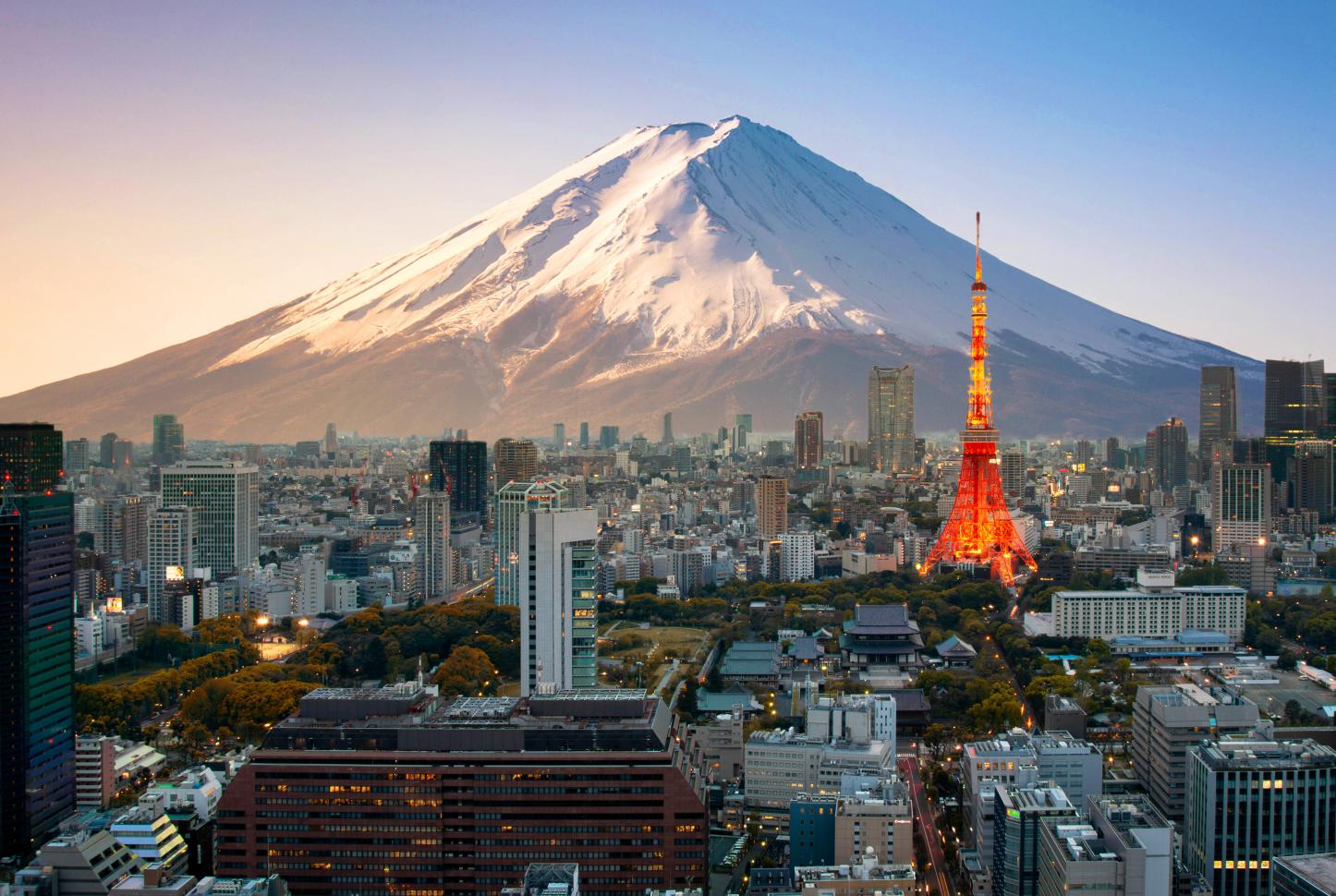
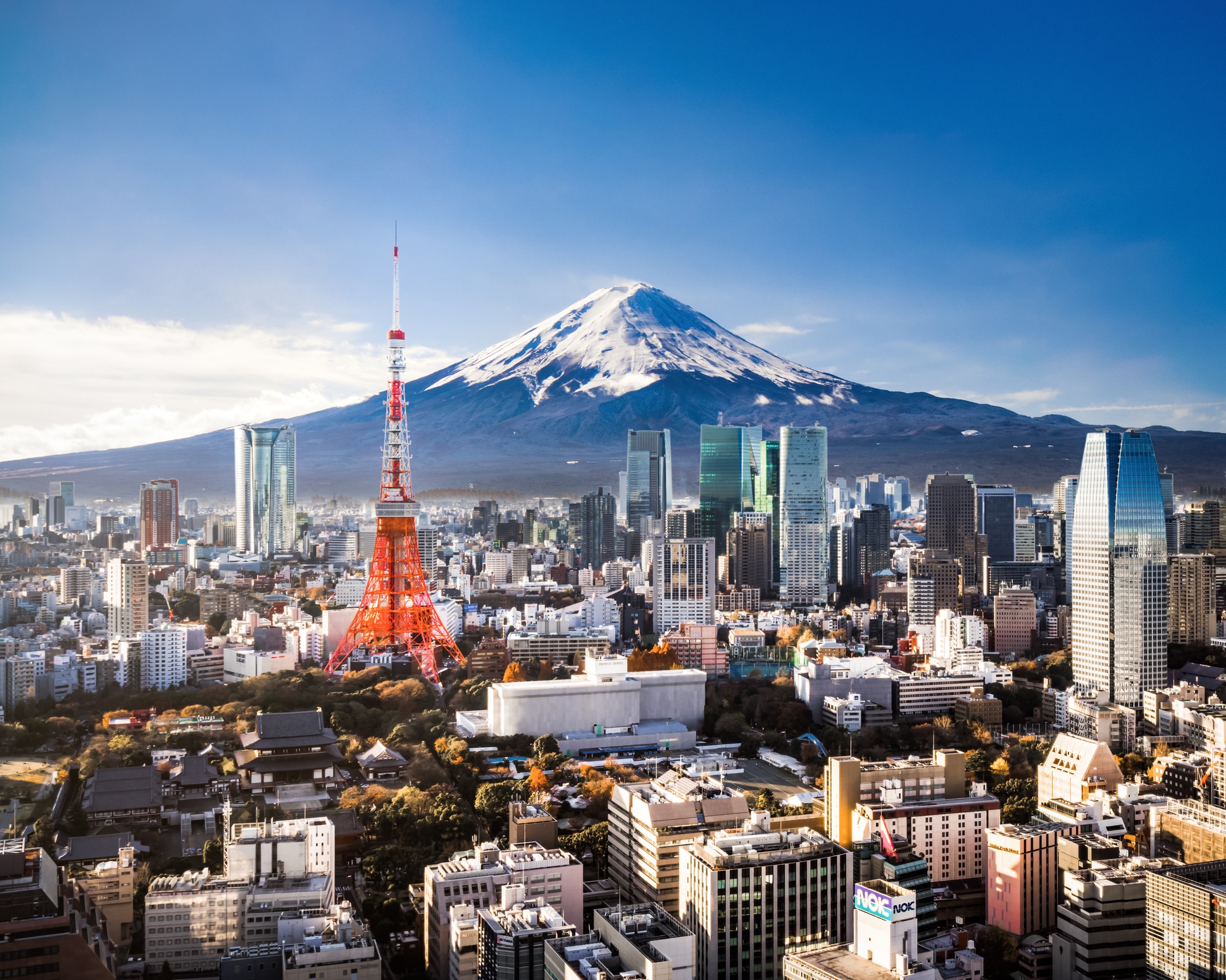
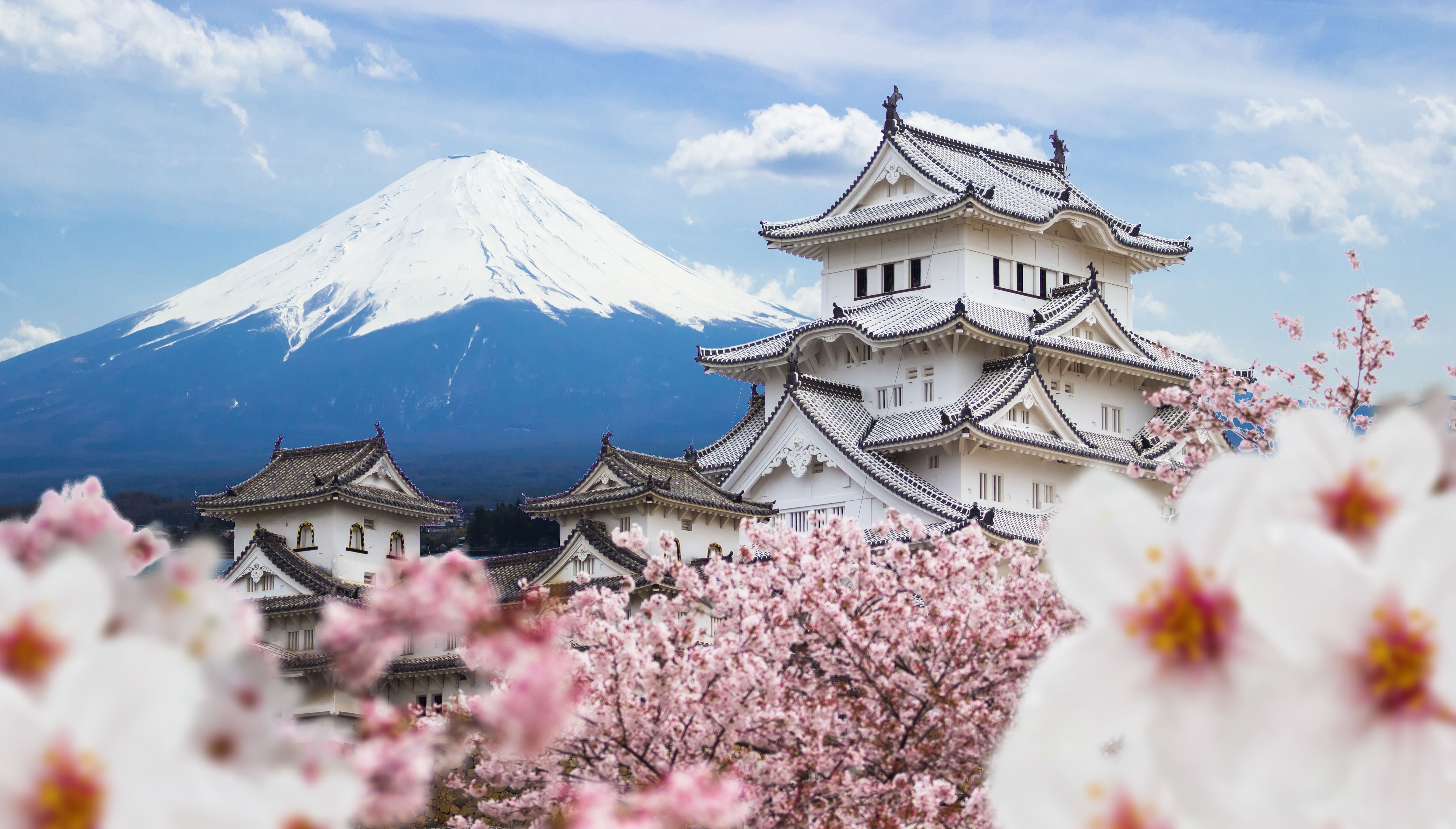
Dreaming of a winter wonderland adventure in Japan? Imagine snow-dusted temples, steaming bowls of ramen, and the enchanting glow of winter illuminations. But as exciting as the prospect is, the thought of packing for Japan in winter can feel a little daunting. Fear not, intrepid traveler! This comprehensive Japan winter packing list for men is your essential guide to staying warm, comfortable, and effortlessly stylish as you explore the Land of the Rising Sun during its most magical season. Forget shivering through your journey; with this guide, you’ll be perfectly prepared to conquer the cold and embrace every snowy moment with joy.
Winter in Japan offers a unique charm, from the powder-perfect ski slopes of Hokkaido to the festive streets of Tokyo. However, it also brings chilly temperatures, biting winds, and the possibility of snow. Navigating this can be a breeze with the right preparation. This guide is designed to be your trusted companion, ensuring you have everything you need, from thermal layers to essential toiletries, without overpacking. Let’s dive into crafting your ideal Japan winter packing list for men.
Understanding Japan’s Winter Climate: What to Expect
Before we get into the nitty-gritty of what to pack, it’s crucial to understand the diverse winter climate across Japan. While generally cold, temperatures and snowfall can vary significantly depending on the region you plan to visit.
- Northern Japan (Hokkaido, Tohoku): Expect serious winter conditions. Hokkaido, in particular, is renowned for its heavy snowfall and frigid temperatures, often dipping well below freezing. Ski resorts will be in full swing, and cities like Sapporo will be transformed by snow.
- Central Japan (Tokyo, Kyoto, Osaka): Winters here are milder than the north but still decidedly cold. Temperatures typically range from 0°C to 10°C (32°F to 50°F). While heavy snow is less common, you can expect frost, chilly winds, and occasional light snow. Rain is also a possibility.
- Southern Japan (Okinawa): While technically winter, Okinawa enjoys a subtropical climate. You’ll experience mild temperatures, closer to spring or autumn in mainland Japan, with sunshine being more prevalent. Packing for Okinawa in winter is vastly different from packing for Hokkaido.
This Japan winter packing list for men will focus primarily on the more common winter destinations in central and northern Japan, with notes on how to adapt for milder southern regions.
The Foundation: Layering is Key for Japanese Winters
The golden rule of winter travel, especially in Japan, is layering. This allows you to adapt to changing temperatures and indoor heating, which can be quite warm. Think of it as a strategic approach to staying comfortable, not just about stuffing your suitcase with bulky items.
Base Layers: The Unsung Heroes of Warmth
Your base layers are the first line of defense against the cold. They should be moisture-wicking to draw sweat away from your skin, preventing you from getting chilled.
- Thermal Underwear (Tops and Bottoms): Opt for merino wool or synthetic blends. Avoid cotton, as it holds moisture and can make you feel cold. Pack at least two sets so you always have a dry one. These are crucial for a Japan winter packing list for men targeting colder regions.
- Long-Sleeve T-shirts: Moisture-wicking t-shirts made of merino wool or synthetic fabrics can also serve as a comfortable base layer or be worn on their own in milder conditions or indoors.
Mid Layers: The Insulating Powerhouses
These layers trap body heat and provide insulation.
- Fleece Jacket or Pullover: A lightweight fleece is an excellent mid-layer that offers significant warmth without adding too much bulk.
- Lightweight Down Vest: A down vest can be a game-changer, adding core warmth without restricting arm movement. It’s easy to pack and can be layered under a jacket or over a fleece.
- Sweaters (Wool or Cashmere): A couple of good quality wool or cashmere sweaters are stylish and incredibly warm. They can be worn over your base layers and under your outer shell.
Outer Layers: Your Shield Against the Elements
This is your primary protection against wind, rain, and snow.
- Waterproof and Windproof Jacket: This is non-negotiable. A good quality, insulated jacket with a hood is essential. Look for features like sealed seams and adjustable cuffs. A parka or a technical ski jacket would be ideal for Hokkaido, while a stylish, warmer coat might suffice for Tokyo.
- Insulated Pants (Optional, but Recommended for Colder Regions): If you plan on spending a lot of time outdoors in snowy areas or participating in winter sports, consider a pair of insulated, waterproof pants. Otherwise, a good pair of sturdy trousers might be sufficient if you’re mostly in urban settings.
Bottoms: Comfort and Practicality
While layering is key for your upper body, your lower body also needs careful consideration.
- Comfortable Trousers: Pack a few pairs of versatile trousers. Jeans can work for milder days in cities, but for colder regions, opt for thicker materials like corduroy or wool blends.
- Water-Resistant Pants: If you anticipate rain or snow, a pair of water-resistant or quick-drying pants will be invaluable. These can be worn over your base layers.
- Thermal Leggings: These can be worn under your regular trousers for added warmth on particularly cold days.
Footwear: The Unsung Heroes of Comfort
Your feet will thank you for choosing wisely. Cold, wet feet can ruin any trip.
- Waterproof and Insulated Boots: This is arguably the most important item on your Japan winter packing list for men for comfort. Opt for boots that are both waterproof and insulated to keep your feet warm and dry. Look for good traction to navigate icy or snowy pavements. Think sturdy hiking boots or stylish winter boots.
- Comfortable Walking Shoes/Sneakers: For days when you’ll be indoors or the weather is milder, a comfortable pair of sneakers or walking shoes is essential. Ensure they have good grip.
- Warm Socks: Pack plenty of warm socks! Merino wool or thick synthetic blends are best. Avoid cotton socks at all costs. Consider bringing different thicknesses for varying conditions.
Accessories: The Details That Make a Difference
Don’t underestimate the power of accessories to keep you warm and comfortable.
- Warm Hat (Beanie): A good quality beanie that covers your ears is a must. Consider a wool or fleece-lined option.
- Gloves or Mittens: Insulated, waterproof gloves are crucial. Mittens tend to be warmer than gloves, but gloves offer more dexterity. Consider bringing both if you’ll be doing activities that require finger movement.
- Scarf or Neck Gaiter: A warm scarf or a fleece neck gaiter will protect your neck and face from the wind and cold. A neck gaiter is often more practical as it stays in place.
- Earmuffs (Optional): If you’re particularly sensitive to the cold, earmuffs can provide extra comfort.
Staying Warm Indoors: Adapting to Japanese Heating
Japanese indoor heating can be surprisingly effective, especially in hotels and public transport. This is where your layering strategy truly shines. You can shed your outer layers and mid-layers as needed to avoid overheating.
Essential Toiletries and Personal Items
Beyond clothing, here are some other essentials for your Japan winter packing list for men:
- Skincare: Cold weather can dry out your skin. Pack a good moisturizer, lip balm, and hand cream.
- Sunscreen: Even in winter, the sun’s rays can be strong, especially if there’s snow.
- Medications: Bring any prescription medications you need, along with a basic first-aid kit.
- Portable Charger/Power Bank: Essential for keeping your devices charged, especially when you’re out and about exploring.
- Travel Adapter and Power Bank: Japan uses Type A outlets (two flat pins), and the voltage is 100V. Ensure you have the correct adapter.
- Small Backpack or Daypack: For carrying your daily essentials, snacks, water bottle, and any layers you shed.
- Reusable Water Bottle: Stay hydrated, and save money and reduce waste.
- Pocket Wi-Fi or SIM Card: Crucial for navigation and staying connected. Book this in advance!
- Small Towel (Optional): While hotels provide towels, a quick-drying travel towel can be useful for onsen (hot springs) or unexpected situations.
What NOT to Pack: Smart Packing for Japan
- Cotton Clothing: As mentioned, cotton holds moisture and will make you feel colder.
- Bulky Sweaters (Unless they are your primary mid-layer): Opt for thinner, warmer materials like merino wool or cashmere.
- Excessive Pairs of Shoes: Stick to one or two versatile pairs that can handle different conditions.
- Expensive Jewelry or Valuables: Keep these at home to avoid worry.
- Umbrella (Consider a compact one): While useful, a good waterproof jacket with a hood can often suffice, and umbrellas can be a hassle in crowded streets.
Specific Considerations for Different Activities
- Skiing/Snowboarding: If your trip involves hitting the slopes, you’ll need specialized gear. Renting is often a good option in Japan, but if you have your own preferred equipment, pack it. This includes ski pants, waterproof jacket, thermal layers, goggles, helmet, and ski socks.
- Onsen (Hot Springs): While most onsen provide towels, you might want to bring a small quick-drying towel for personal use. Remember to pack swimwear if you plan to visit a mixed-gender onsen that requires it (though most traditional ones are gender-segregated and nude).
- City Exploration: For urban adventures, prioritize comfort and style. You can opt for slightly more fashionable outer layers and comfortable walking shoes.
Packing Smart: The Art of Efficient Luggage
- Rolling Clothes: Rolling your clothes instead of folding can save space and reduce wrinkles.
- Packing Cubes: These are fantastic for organizing your luggage and compressing items.
- Wear Your Bulkiest Items on the Plane: Your winter coat and boots can take up a lot of space in your suitcase. Wear them during your flight.
- Check Airline Baggage Restrictions: Be mindful of weight and size limits for both checked and carry-on luggage.
A Warm Welcome Awaits: Embrace the Japanese Winter
Packing for Japan in winter doesn’t have to be a chore. By following this detailed Japan winter packing list for men, you’ll be well-equipped to enjoy the beauty, culture, and festive spirit of this incredible country. Remember, the goal is to stay warm, comfortable, and ready for anything, allowing you to fully immerse yourself in the magic of a Japanese winter. Whether you’re marveling at the snow monkeys in Nagano, exploring the vibrant lights of Tokyo, or indulging in a steaming bowl of ramen, this list will ensure you do it in style and comfort.
Frequently Asked Questions About Packing for Japan in Winter
Q1: What is the most important item to pack for Japan in winter?
A1: The most crucial item is a waterproof and windproof outer jacket with good insulation. This will be your primary defense against the cold, wind, and potential snow or rain.
Q2: Do I need to pack thermal underwear?
A2: Yes, thermal underwear is highly recommended, especially if you’re visiting regions with colder temperatures like Hokkaido or Tohoku. They are essential for effective layering and staying warm.
Q3: Can I wear jeans in Japan during winter?
A3: You can wear jeans in milder winter conditions in cities like Tokyo or Osaka. However, for colder regions or if you plan to spend a lot of time outdoors, opt for thicker trousers or wear thermal leggings underneath your jeans.
Q4: What kind of shoes are best for Japan in winter?
A4: Waterproof and insulated boots with good traction are ideal. They will keep your feet warm and dry and provide stability on potentially slippery surfaces.
Q5: How much should I budget for winter clothing for Japan?
A5: This depends on your existing wardrobe and how much you need to purchase. Investing in quality base layers, a good jacket, and waterproof boots will be the most Classy winter outfits for women over embrace timeless elegance significant expenses. Consider the longevity and reusability of these items for future travels.
Q6: Is it easy to buy winter clothing in Japan?
A6: Yes, Japan has excellent department stores and fast-fashion retailers that offer a wide range of winter clothing. However, sizes might differ, and the selection might be more geared towards local preferences. It’s generally more efficient to pack what you know works for you.
Q7: Do I need to pack a swimsuit for winter in Japan?
A7: Only if you plan to visit specific types of onsen that require swimwear or if you’re visiting an indoor swimming pool. Most traditional onsen are nude and gender-segregated.
Q8: What’s the best way to pack a winter coat?
A8: The most practical way to pack a winter coat is to wear it on the plane. This saves a significant amount of space in your luggage and ensures you have it readily available upon arrival.
We hope this comprehensive guide has demystified the process of packing Coffee shops in mirdif city centre your ultimate guide to festive brews bites for your Japanese winter adventure! Share your own must-have winter packing tips for Japan in the comments below – we’d love to hear them! Happy travels!