The holidays are here, and you’re on a mission to find that perfect gift for a loved one, or perhaps you’re simply looking to refresh your own wardrobe with some stylish new pieces. But what happens when the size tags don’t quite align? Ever found yourself staring at a rack of men’s clothing, wondering if those fantastic sweaters or sharp blazers could actually work for you? Or perhaps you’re a man looking to borrow from your partner’s more fashion-forward closet? The seemingly complex task of converting men’s sizes to women’s clothing can feel daunting, but fear not! This comprehensive, SEO-optimized guide is here to illuminate the path, making your shopping expeditions (or closet raids!) a resounding success.
Navigating the world of apparel sizing can feel like deciphering an ancient code, especially when crossing gender lines. Different brands, different cuts, and the inherent variations in body shapes all contribute to the confusion. However, with a little knowledge and a few handy tips, you can confidently convert men’s size to women’s clothing and unlock a world of fashion possibilities. Let’s dive in and discover how to make that conversion seamless and, dare we say, even fun!
Understanding the Fundamental Differences in Sizing
Before we get to the conversion charts, it’s crucial to grasp why men’s and women’s sizing differs. It’s not just arbitrary; it’s rooted in typical anatomical variations and garment construction.
Body Shape and Proportions
Men and women generally have different body shapes. Men tend to have broader shoulders and narrower hips, while women often have narrower shoulders and wider hips. This fundamental difference dictates how clothing is designed and cut. Women’s clothing is typically designed to accommodate a more hourglass or pear-shaped figure, with more room in the bust and hips and a more tapered waist. Men’s clothing, on the other hand, is often designed for a more rectangular or V-shaped torso, with a straighter cut through the waist and hips.
Measurement Points
The key measurements used for sizing also differ. While both genders use chest/bust, waist, and hip measurements, the emphasis and how these are translated into a size can vary significantly. For instance, men’s sizing often prioritizes chest and shoulder width, while women’s sizing might give more consideration to bust volume and hip circumference.
Garment Construction and Fit
Beyond basic measurements, the actual construction of a garment plays a huge role. Men’s shirts often have a straighter cut, while women’s blouses might feature darts for shaping, a more fitted waist, or different sleeve lengths and widths. Trousers and jeans also vary dramatically in rise (the distance from the crotch to the waistband) and leg shape.
The Magic Formula: Converting Men’s to Women’s Sizes
Now for the exciting part – the conversion! While there’s no single, universally perfect formula that works for every single brand and every single garment type, there’s a general rule of thumb that serves as an excellent starting point.
The General Rule of Thumb
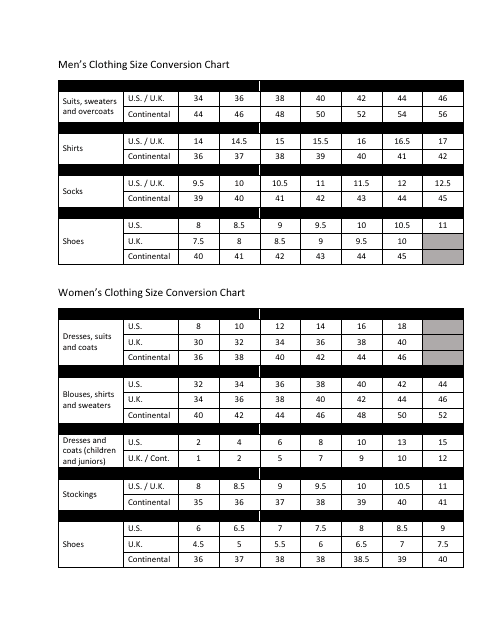
The most common and widely accepted method to convert men’s size to women’s clothing is to subtract 10 to 12 sizes from the men’s size.
- Example: If a man wears a size Large (which often corresponds to a men’s size 42-44 chest), subtracting 10-12 would place him in a women’s size 32-34, which typically falls within the range of a women’s Small or Medium.
It’s important to remember that this is a guideline, not an absolute law. We’ll explore the nuances for different clothing categories below.
Category-Specific Conversions: Mastering the Details
Let’s break down how to convert men’s size to women’s clothing for specific items, offering a more precise approach.
Tops (Shirts, T-shirts, Sweaters, Jackets)
This is where the general rule of thumb is most applicable.
- Men’s Sizing: Typically uses S, M, L, XL, XXL, or numerical sizes (like 38, 40, 42, 44).
- Women’s Sizing: Typically uses S, M, L, XL, XXL, or numerical sizes (like 0, 2, 4, 6, 8, 10, 12, 14).
Conversion Method:
- Identify the men’s size.
-
Apply the subtraction rule: Subtract 10 to 12 sizes.
- Men’s S (often ~36-38 chest): Subtract 10-12 = Women’s 26-28 (approx. XS or a very small S)
- Men’s M (often ~38-40 chest): Subtract 10-12 = Women’s 28-30 (approx. S)
- Men’s L (often ~40-42 chest): Subtract 10-12 = Women’s 30-32 (approx. M)
- Men’s XL (often ~42-44 chest): Subtract 10-12 = Women’s 32-34 (approx. L)
- Men’s XXL (often ~44-46 chest): Subtract 10-12 = Women’s 34-36 (approx. XL)
Important Considerations for Tops:
- Shoulder Width: Men’s shirts often have wider shoulders. If the shoulders are a significant concern, you might need to size down further or look for women’s styles with a narrower shoulder cut.
- Bust/Chest Difference: While the general rule works, women’s tops are designed with bust volume in mind. If you have a larger bust, you might need to consider the women’s size that accommodates your bust measurement, even if it means a slightly looser fit elsewhere.
- Fit Preference: Do you prefer an oversized, relaxed fit or something more tailored? This will influence your final choice.
Trousers and Jeans
This category can be trickier due to variations in rise, Shop for womens hats discover your perfect headwear hip, and thigh measurements.
- Men’s Sizing: Typically uses waist and inseam (e.g., 32×30, 34×32).
- Women’s Sizing: Typically uses numerical sizes (e.g., 0, 2, 4, 6) often with a corresponding waist measurement, or alphanumeric sizes (e.g., 26, 27, 28).
Conversion Method:
- Focus on Waist and Hip Measurements: This is your primary guide. Take accurate measurements of your waist and hips.
- Consult Size Charts: The most reliable way to convert men’s size to women’s clothing for trousers is to compare your measurements to the brand’s specific size chart.
- General Guideline (Use with Caution): A very rough starting point for waist size might be to take the men’s numerical waist size (e.g., 32) and subtract approximately 8-10 to get a comparable women’s numerical waist size (e.g., 22-24, which is very small and often doesn’t directly map). This highlights why measurement-based conversion is far superior.
Key Factors for Trousers:
- Rise: Men’s trousers generally have a higher rise than women’s. If you’re converting, be mindful of this. A lower-rise women’s jean might feel very different.
- Hip and Thigh Room: Men’s trousers are often cut straighter in the hip and thigh. Women’s trousers are designed with more room for curves. You may need to size up in women’s if your hips are significantly wider than a straight cut would accommodate.
- Inseam: This is usually straightforward. Measure your inseam and find a comparable women’s inseam.
Outerwear (Coats, Blazers)
Similar to tops, but with a few extra considerations.
- Men’s Sizing: Similar to tops (S, M, L, XL or numerical).
- Women’s Sizing: Similar to tops.
Conversion Method:
- Apply the Top Conversion Rule: Start by subtracting 10-12 sizes from the men’s size.
- Consider Shoulder and Chest Width: These are crucial for outerwear.
- Layering: Think about what you’ll wear underneath. If you plan to layer sweaters or thicker items, you might need to size up in the women’s conversion to accommodate this bulk.
Blazers Specifics:
- Shoulder Pads: Men’s blazers often have more pronounced shoulder padding. Women’s blazers may have subtler padding or none at all.
- Cut: Men’s blazers are typically boxier, while women’s are often more fitted or have a peplum.
Leveraging Measurement Charts: The Golden Rule
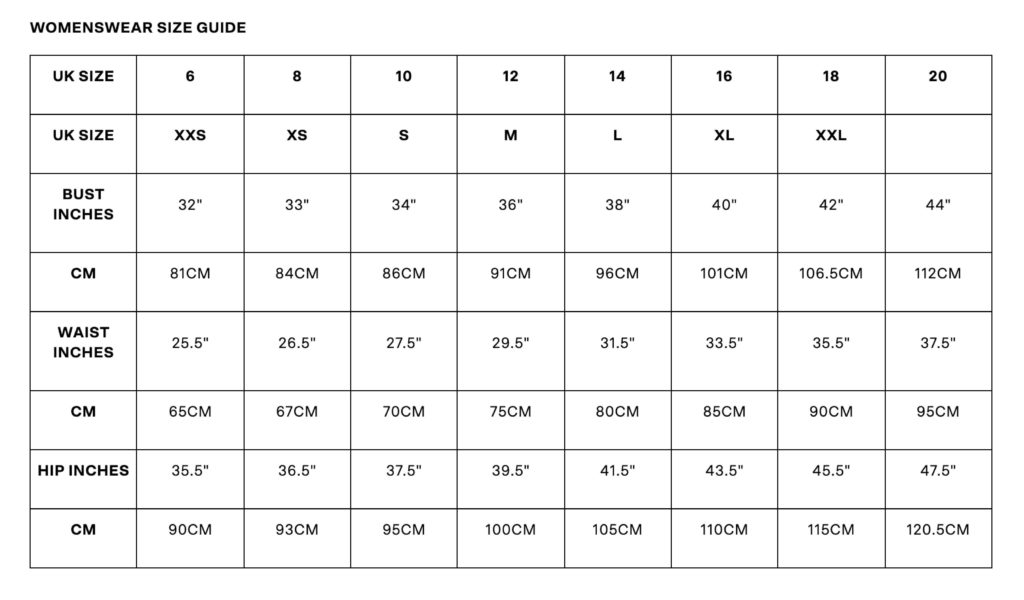
While the general rules are helpful, the most accurate way to convert men’s size to women’s clothing is to rely on brand-specific measurement charts. Every brand has its own interpretation of sizes, and relying on these charts will save you time, frustration, and potential returns.
How to Use Measurement Charts Effectively:
- Take Accurate Measurements:
- Bust/Chest: Measure around the fullest part of your bust/chest.
- Waist: Measure around your natural waistline (the narrowest part of your torso).
- Hips: Measure around the fullest part of your hips.
- Shoulder Width: Measure from shoulder seam to shoulder seam across your back.
- Inseam: Measure from the crotch to the hem of a well-fitting pair of trousers.
- Find the Brand’s Size Chart: This is usually found on the brand’s website, product pages, or sometimes on the garment’s tag.
- Compare Your Measurements: Match your measurements to the corresponding women’s size on the chart.
- Read Product Descriptions: Pay attention to fit descriptions like "slim fit," "relaxed fit," or "oversized." This can help you fine-tune your choice.
The "Borrowing" Phenomenon: When Men’s Styles Work for Women
It’s not just about conversion for practical reasons; sometimes, women choose to wear men’s clothing for its unique style and fit.
- Oversized Sweaters and Hoodies: Men’s casual tops often provide that coveted oversized, cozy look that many women adore.
- Boyfriend Jeans: The very name suggests this! Men’s jeans, particularly in a relaxed fit, can be a fantastic basis for a "boyfriend" style.
- Classic Button-Down Shirts: A crisp men’s button-down can be worn tucked, untucked, or even open over a camisole for a chic, relaxed vibe.
- Blazers and Jackets: A slightly oversized men’s blazer can add a powerful, fashion-forward edge to an outfit.
When opting for this style, consider how you’ll accessorize to feminize the look, or embrace the androgynous aesthetic.
Shopping Tips for a Successful Conversion
To make your journey to convert men’s size to women’s clothing as smooth as possible, keep these tips in mind:
- Know Your Measurements: This is paramount.
- Start with Brands You Know: If you have a favorite brand, check their size charts first.
- Read Reviews: Other shoppers’ experiences can offer invaluable insights into sizing and fit.
- Don’t Be Afraid to Try On: If shopping in person, try before you buy.
- Check Return Policies: Especially when shopping online, ensure a hassle-free return process.
- Consider Tailoring: For a perfect fit, especially with more expensive pieces like blazers or suits, professional tailoring can work wonders.
Common Pitfalls to Avoid
- Over-reliance on the "Subtract 10-12" Rule: While useful, it’s a starting point, not a definitive answer.
- Ignoring Fabric Stretch: Stretchy fabrics offer more flexibility in sizing than rigid ones.
- Assuming All Brands are the Same: Sizing varies wildly.
- Forgetting About Fit Preference: Do you like it snug or loose?
Festive Fashion: A World of Shared Style
The spirit of giving and sharing is at the heart of the holiday season. Whether you’re looking to convert men’s size to women’s clothing for a thoughtful gift or to expand your own style horizons, understanding these sizing nuances opens up a world of fashion possibilities. Imagine the joy of finding that perfect sweater for your partner that you secretly wanted for yourself, or the confidence of rocking a stylish piece that was originally designed for the other side of the sizing spectrum!
Embrace the adventure of exploring different brands and styles. With a little patience and the knowledge gained from this guide, you’ll be a pro at navigating the world of men’s and women’s sizing in no Fashion stores hiring near me part time your festive opportunity awaits time. Happy shopping, and may your wardrobe be ever stylish!
Frequently Asked Questions (FAQ)
Q1: Is there a universal formula to convert men’s sizes to women’s clothing?
A1: No, there isn’t one single universal formula. However, a common guideline is to subtract 10 to 12 sizes from the men’s size for tops. For bottoms, it’s best to rely on precise measurements and brand-specific size charts.
Q2: What are the most important measurements when converting sizes?
A2: For tops, chest/bust and shoulder width are key. For trousers, waist, hips, and inseam are crucial.
Q3: Can I convert men’s shoes to women’s shoes?
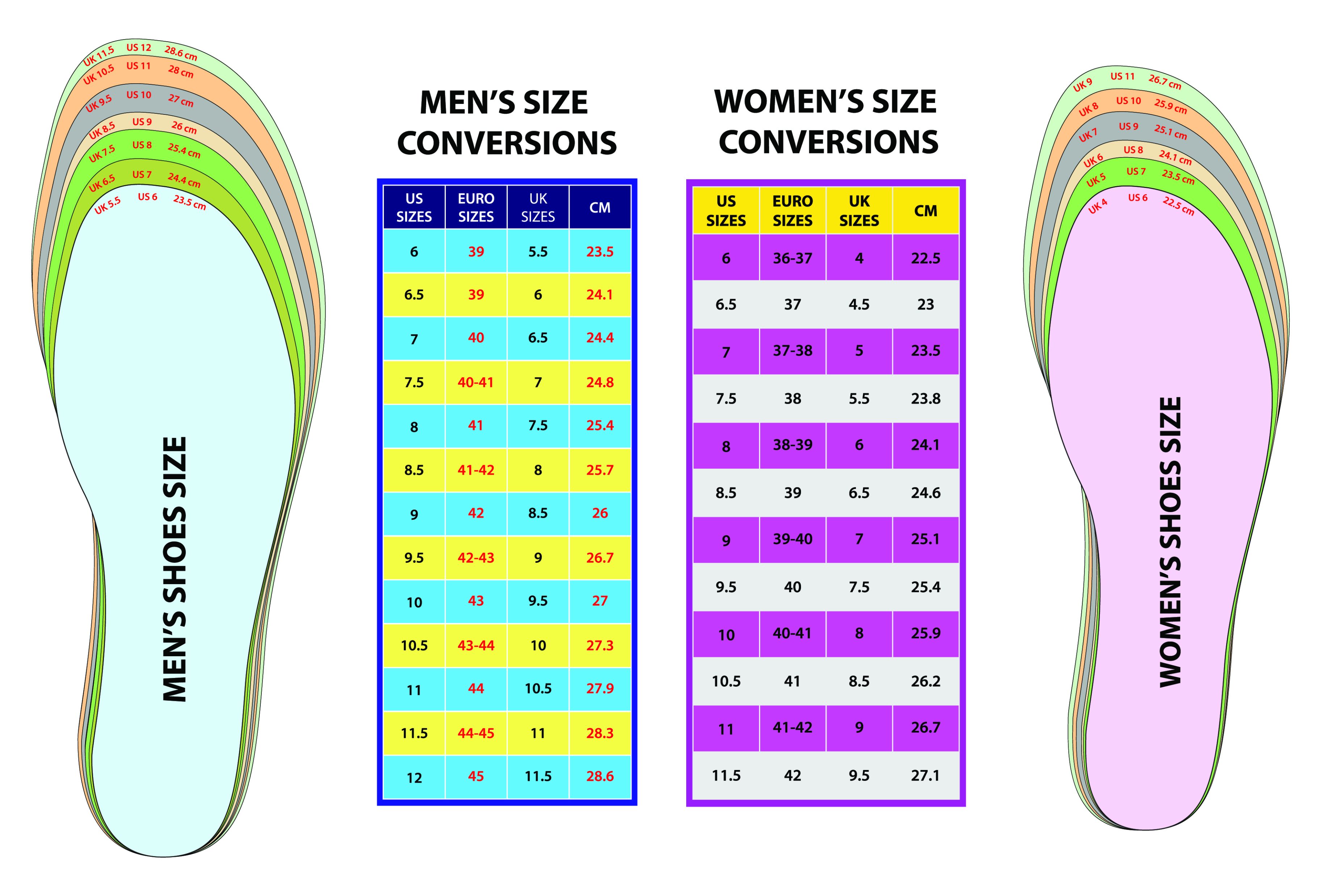
A3: Yes, generally, you subtract 1.5 to 2 sizes from the men’s shoe size to get the women’s equivalent. For example, a men’s size 10 is typically equivalent to a women’s size 11.5 or 12. Always check specific brand charts.
Q4: What if I have a larger bust? How does that affect converting men’s tops?
A4: If you have a larger bust, you may need to choose a women’s size that accommodates your bust measurement, even if it means the overall garment is slightly looser in other areas. Men’s tops are generally cut straighter.
Q5: Is it common for women to wear men’s clothing?
A5: Absolutely! Many women intentionally wear men’s clothing for its relaxed fit, comfort, and unique style, especially for items like oversized sweaters, t-shirts, and blazers.
Q6: What is the best way to ensure a good fit when converting sizes?
A6: The most reliable method is to take your own body measurements and compare them directly to the brand’s specific size chart for women’s clothing.
Q7: Does the fabric of the garment matter when converting sizes?
A7: Yes, it does. Garments made from stretchy fabrics offer more flexibility in fit than those made from rigid materials. Always consider the fabric composition.